
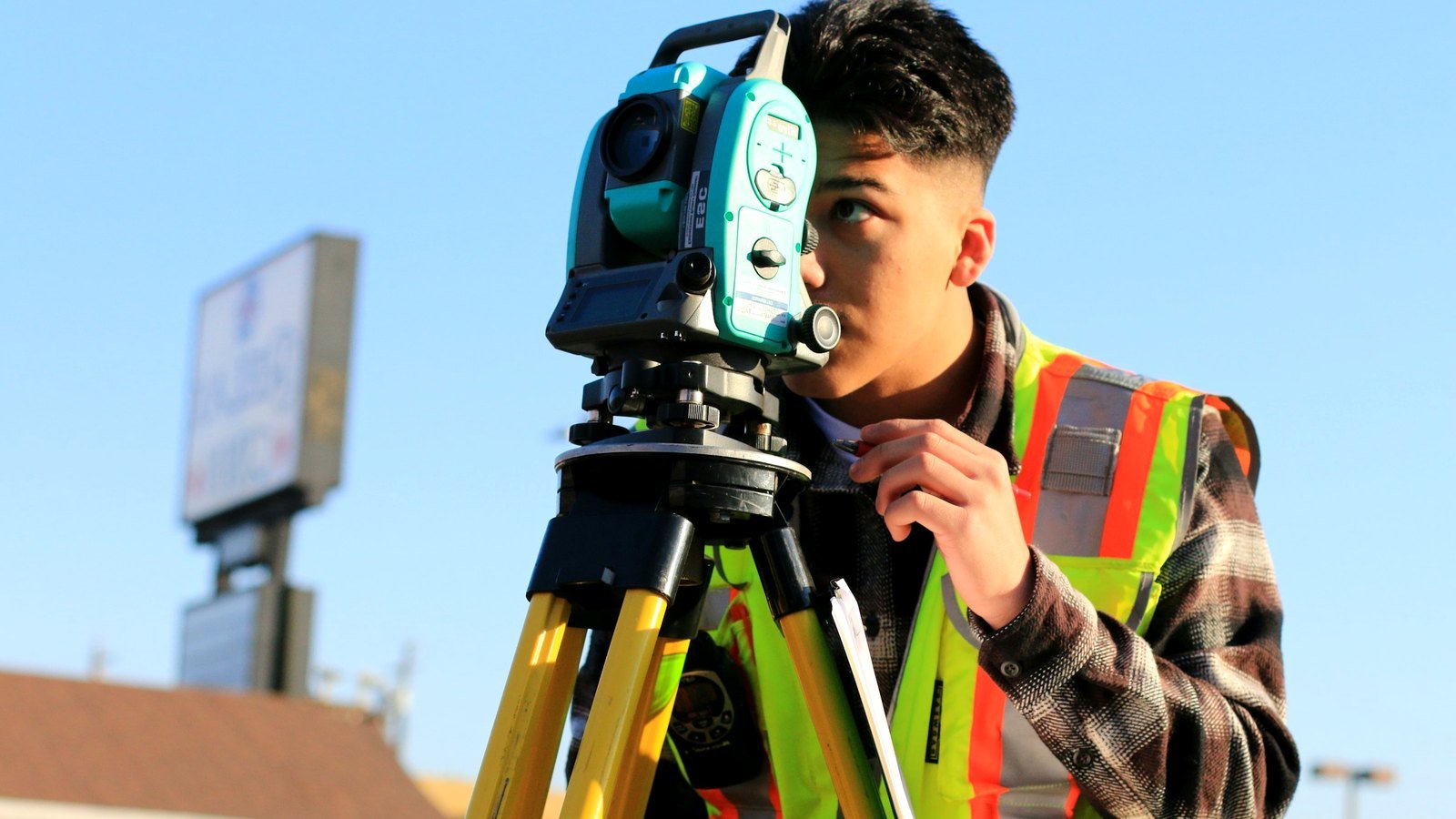
A hi vis tool vest is a high-visibility vest built to carry tools and equipment — tape measures, markers, radios, tablets, fasteners and small hand tools — on the body. Compared with a standard pocket vest, it has stronger fabric, reinforced pockets, a zip front that carries weight, and a layout planned around a trade. When specifying one, start with what each role carries, design pockets around those items, keep the weight low and close to the body, and make sure pockets do not cover the reflective tape or reduce the fluorescent area your class requires.
Tool Vest vs Standard Pocket Vest
| Factor | Standard pocket vest | Tool vest |
|---|---|---|
| Fabric | Light polyester knit or mesh | Heavier knit with oxford or ripstop pocket panels |
| Pockets | Radio, pen, phone | Many pockets sized for specific tools; loops and D-rings |
| Reinforcement | Basic | Bar tacks, double stitching, reinforced shoulders |
| Closure | Hook-and-loop or zip | Heavy-duty zip |
| Weight carried | Light items | Moderate loads spread across the body |
Pocket Layouts by Trade
| Role | Typical items | Pocket features |
|---|---|---|
| Surveyors | Tablet, field book, markers, radio, tape | Large back pocket, pen slots, mic tabs |
| Inspectors and supervisors | Phone, ID, documents, torch | Clear ID window, chest pockets, inside document pocket |
| Electricians and technicians | Meters, screwdrivers, pliers, tape | Tool loops, divided lower pockets |
| Utility locators | Paint, flags, radio, phone | Can holders, large lower cargo pockets |
Weight and Safety
- Heavy items belong low and close to the body; high, front-heavy loads pull the vest forward and move the tape.
- A vest pocket is not a load-rated holder. Specialist equipment, such as fall-arrest items, needs purpose-designed holders.
- Where snagging is a risk near vehicles or machinery, consider a breakaway vest with a lighter pocket layout.
Visibility: Pockets Count Against You
Under ANSI/ISEA 107-2020 and EN ISO 20471, only compliant fluorescent and reflective materials count toward the class. Non-fluorescent pocket panels, dark oxford reinforcements and items carried in front of the tape all reduce visible area. Good tool vests use fluorescent pocket fabric where possible and keep tape clear of pocket flaps.
From Our Factory Floor
Since 2004 we have developed tool and surveyor vests with buyers. Our process:
- We ask for a carry list per role with item sizes, then draw the pocket layout to fit.
- We reinforce pocket corners with bar tacks and double stitch shoulder seams, which carry the load.
- We check the loaded vest on a fit model: does it pull forward, does the zip strain, is the tape still visible?
- We keep pocket flaps from covering reflective bands when closed.
FAQ
Can a tool vest be Class 2?
Yes, if fluorescent area and tape meet the class in the smallest size with pockets included.
How much weight can a hi vis tool vest carry?
Vests are not load-rated equipment. Keep loads light to moderate and spread them; ask your supplier about construction details.
Can you copy our current tool vest?
Send a sample or photos with measurements, and we will quote a matching or improved version.
Request a Quote
Send us a carry list per role, the class, quantity, sizes and logo. See our surveyor safety vest or contact our team.
This guide is general information from a hi vis clothing manufacturer. Always confirm the standard, class and site rules that apply to your work; the published standards are the final reference.