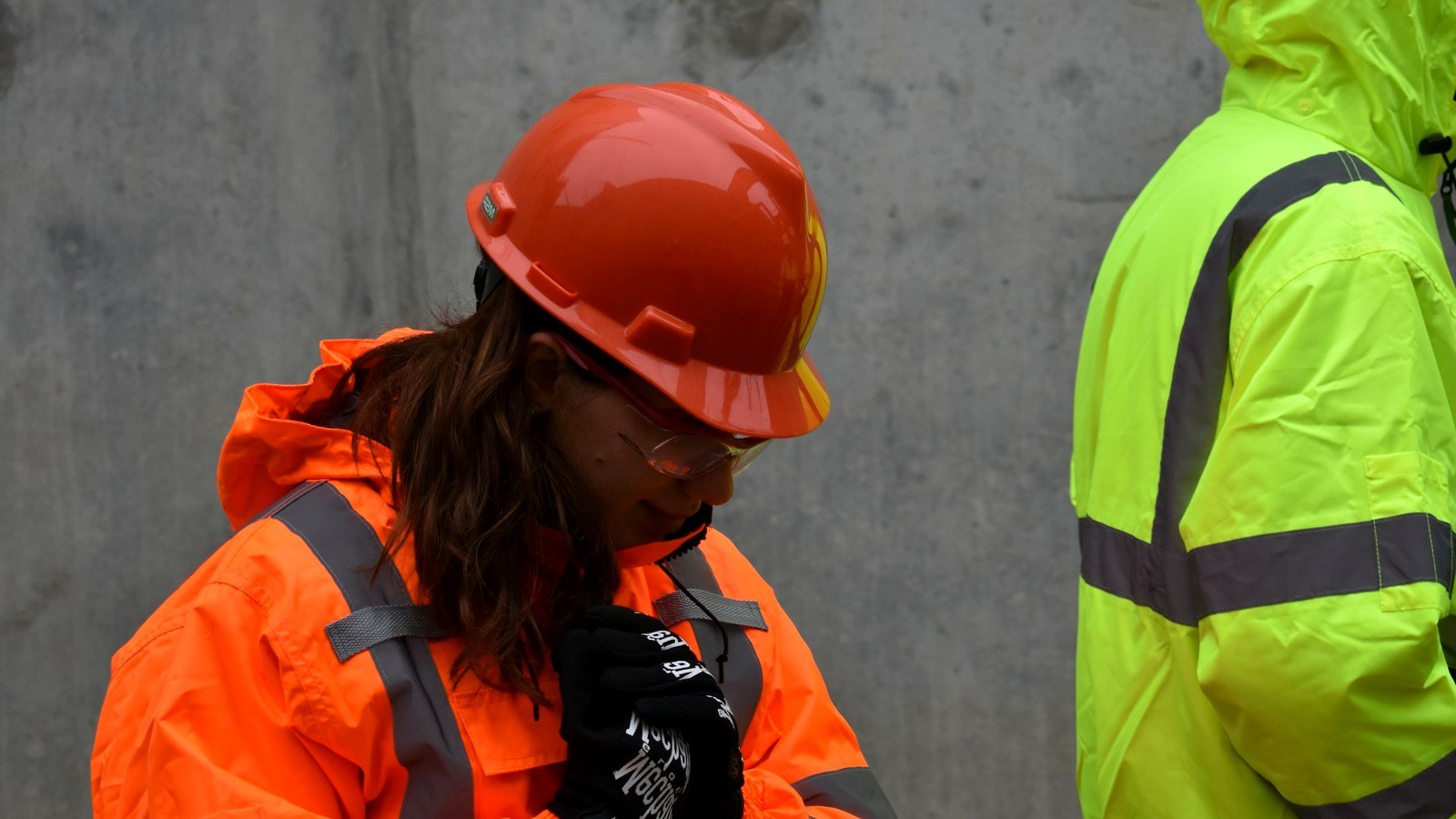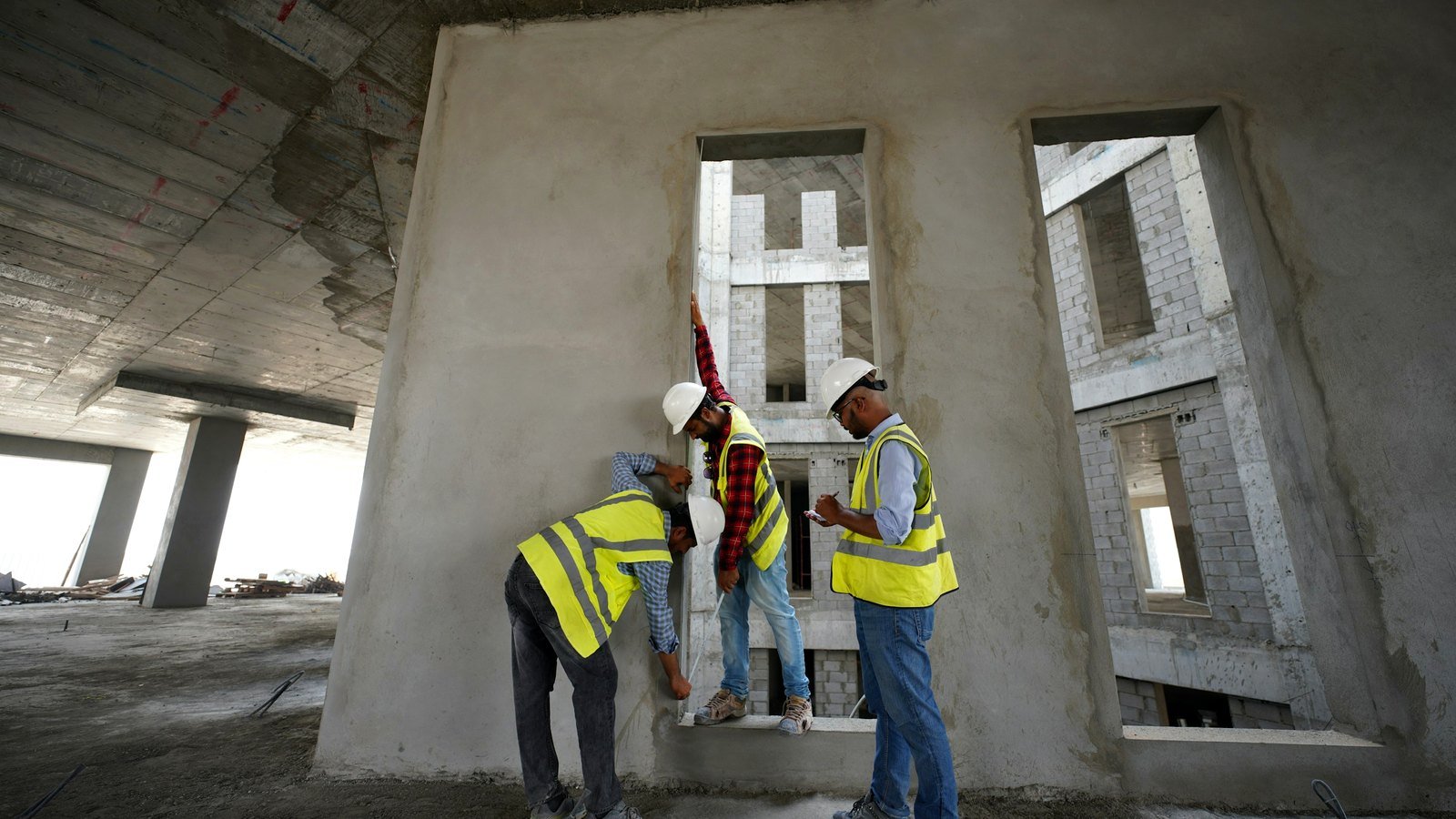
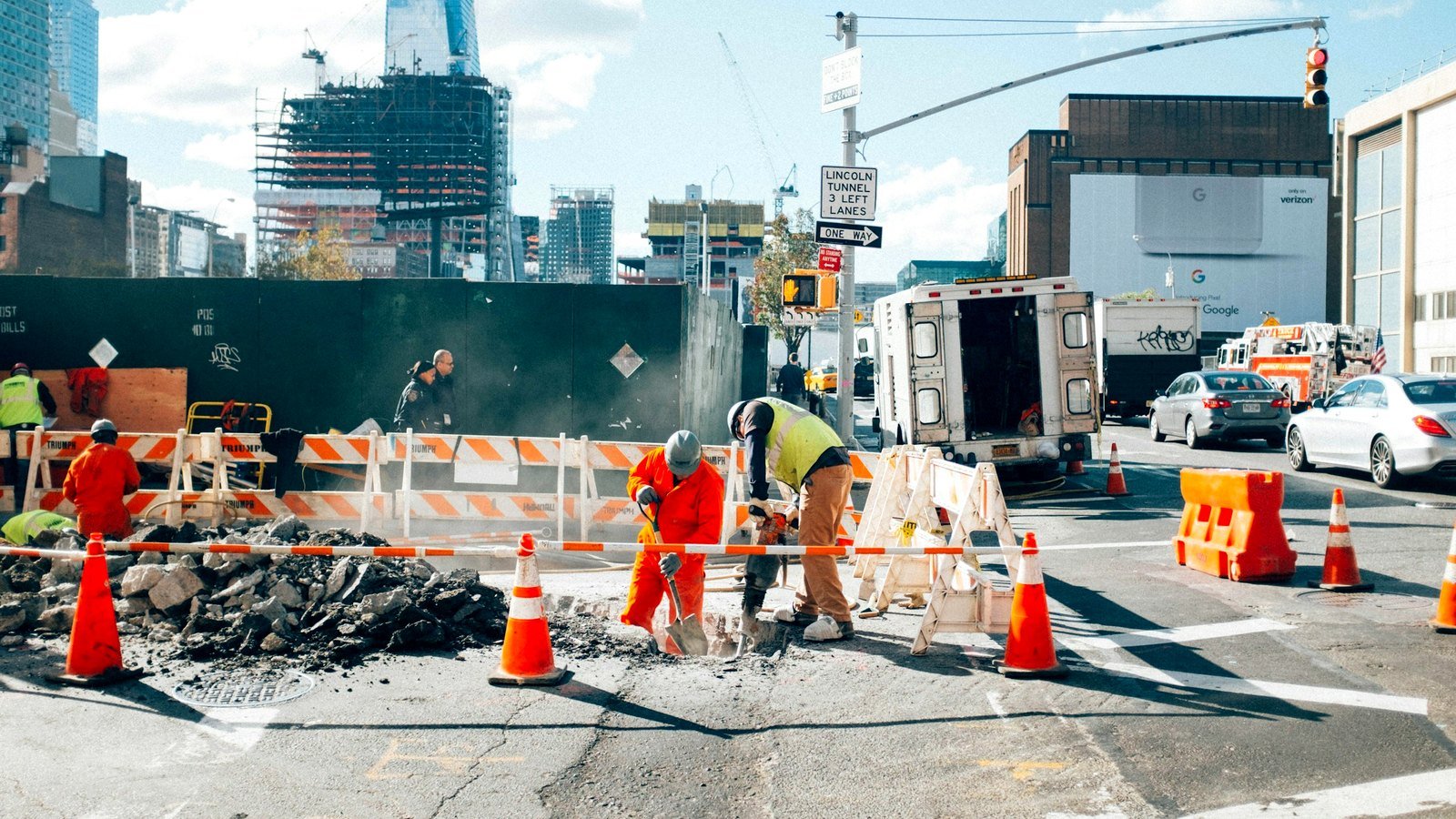
In the United States, hi vis clothing regulations come mainly from transportation rules, not from a single OSHA garment standard. The Federal Highway Administration rule 23 CFR Part 634 requires workers within the right-of-way of federal-aid highways who are exposed to traffic or construction equipment to wear high-visibility safety apparel meeting ANSI/ISEA 107 Class 2 or Class 3. The MUTCD (Manual on Uniform Traffic Control Devices) carries the same requirement for workers in temporary traffic control zones, and OSHA enforces traffic control on construction sites by reference to the MUTCD. ANSI/ISEA 107 itself is a voluntary consensus standard that these rules adopt.
The Rules at a Glance
| Rule | Who issues it | What it requires |
|---|---|---|
| 23 CFR Part 634 | FHWA | ANSI/ISEA 107 Class 2 or 3 apparel for workers on federal-aid highway right-of-way exposed to traffic or equipment |
| MUTCD (Part 6, temporary traffic control) | FHWA | High-visibility safety apparel for workers in work zones, including flaggers |
| 29 CFR 1926.201(a) | OSHA | Construction traffic signaling must follow the MUTCD, bringing its apparel requirements onto construction sites |
| OSHA PPE general duty (e.g. 29 CFR 1910.132 / 1926.95) | OSHA | Employers assess hazards and provide appropriate PPE, which can include hi vis |
| ANSI/ISEA 107-2020 | ISEA (voluntary standard) | Defines garment types, classes, materials and labelling |
State DOTs, cities and contractors often add their own requirements, such as Class 3 at night. Always check the contract and local rules.
ANSI/ISEA 107 Types and Classes
- Type O (off-road) — Class 1: for workers not exposed to roadway traffic.
- Type R (roadway) — Class 2 or 3: for workers exposed to traffic in the right-of-way.
- Type P (public safety) — Class 2 or 3: police, fire, EMS, with options such as breakaway designs.
- Class E: trousers and shorts that raise a Class 2 or 3 top to Class 3.
See our knowledge base for minimum areas and colours.
Common Questions About Compliance
- “OSHA approved” hi vis: OSHA does not approve or certify garments. Look for ANSI/ISEA 107 labelling.
- Old standard editions: 23 CFR 634 references ANSI/ISEA 107 editions; current garments are typically labelled to the 2020 edition.
- Colours: only fluorescent yellow-green, orange-red and red backgrounds are accepted.
- Labels: compliant garments carry a label showing the standard, type, class and care information.
From Our Factory Floor
Since 2004 we have supplied garments for US roadway programmes. The practical questions we settle with buyers:
- Which type and class does the end user’s contract specify?
- Does the size range on the label cover all sizes ordered?
- Will logos or two-tone panels change the class in small sizes?
- Which test reports are available for the exact style, fabric and tape?
FAQ
Is there an OSHA hi vis standard?
There is no single OSHA garment standard for hi vis. OSHA relies on the MUTCD for construction traffic control and on general PPE requirements.
Which statement is true for high-visibility clothing?
A common test answer: high-visibility clothing must be worn so that it is visible from all directions and must meet the class required for the hazard. Garments must be kept clean and replaced when faded or damaged.
Does Class 2 meet federal highway rules?
Yes, 23 CFR 634 allows Class 2 or Class 3, though agencies may require Class 3 in some conditions.
Request a Quote
Tell us the type and class your contracts specify, the garments and quantities, and we will confirm compliant builds and available test reports. Contact our team.
References: 23 CFR Part 634 (eCFR); FHWA MUTCD; ISEA high-visibility products.
This guide is general information from a hi vis clothing manufacturer. Always confirm the standard, class and site rules that apply to your work; the published standards are the final reference.