
A hi vis waistcoat enquiry needs more detail than colour, quantity and a class number. For a distributor or contractor, the useful question is whether the proposed garment matches the work, the people wearing it and the receiving site’s written requirements. Get those points into the specification before comparing quotations.
In UK workwear terminology, waistcoat commonly describes the sleeveless garment also sold as a safety vest. This guide explains how to compare listings and prepare a purchasing brief, including what to ask when a buyer requests Class 1 or Class 2.
What hi-vis waistcoats are used for around traffic and work sites
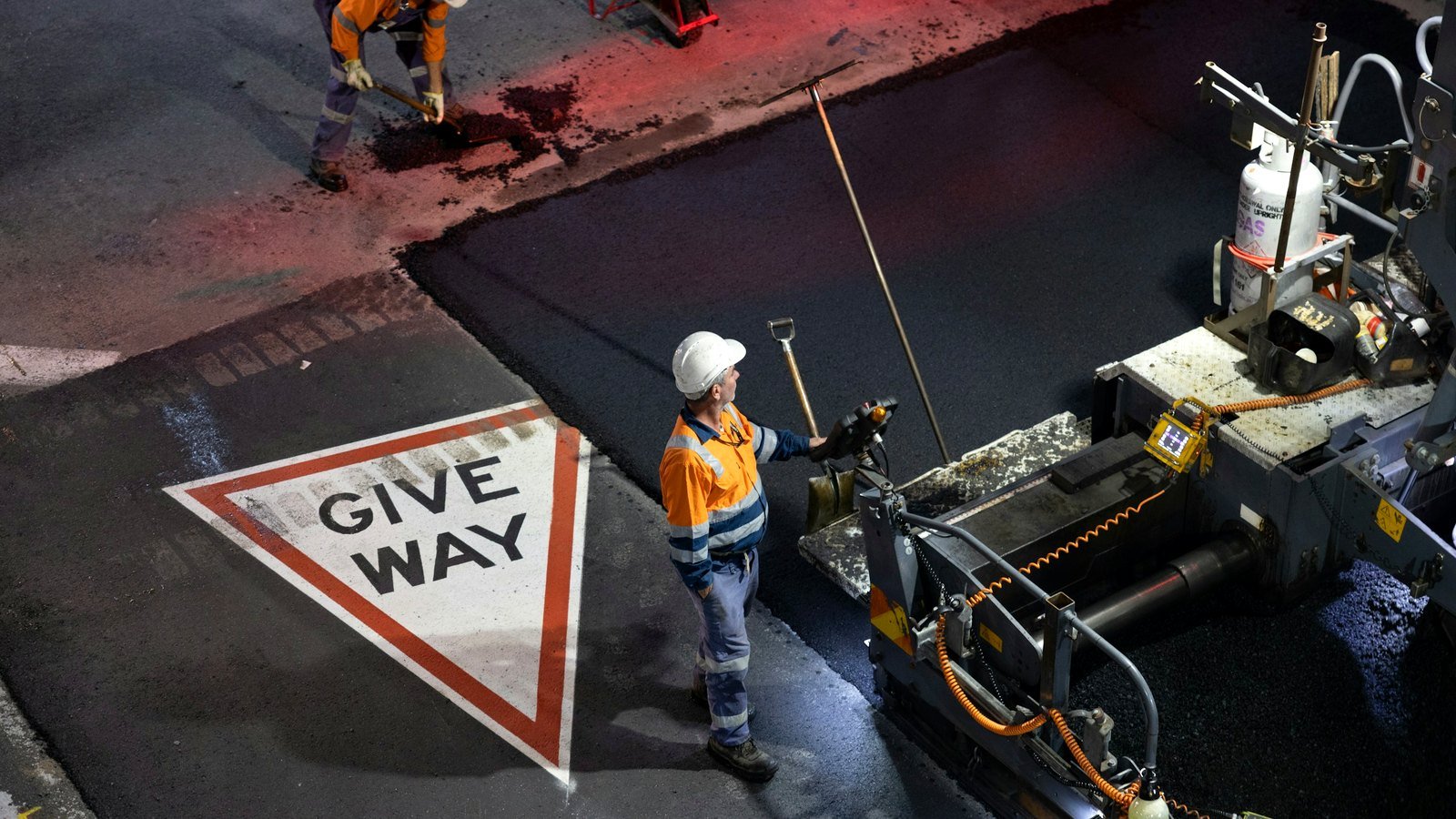
High-visibility clothing helps make the wearer easier to notice. For procurement, start by describing the activity: receiving deliveries, directing vehicles, visiting a construction site or moving between warehouse buildings. Include lighting conditions, weather exposure and the other clothing or equipment worn during the task.
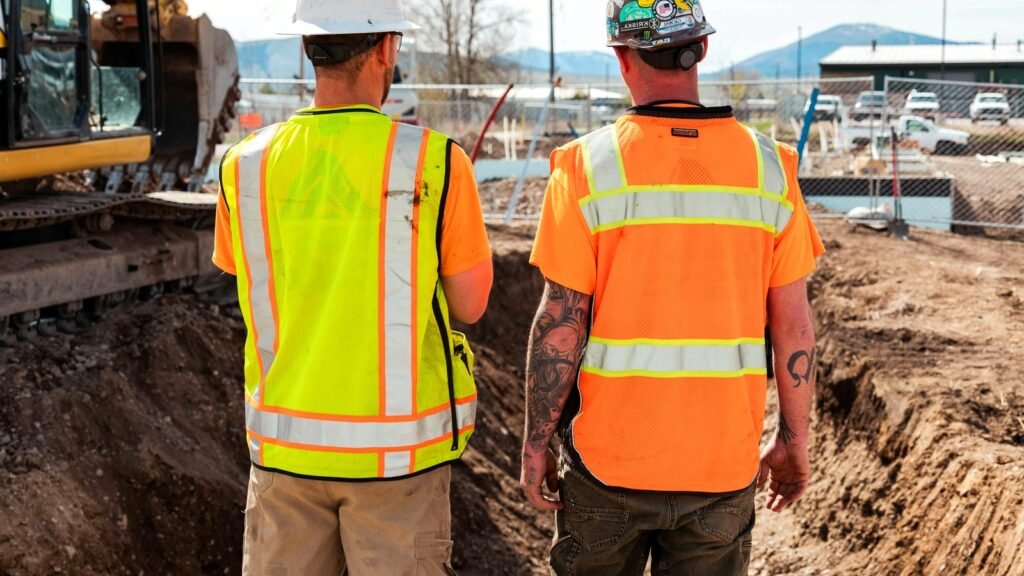
A waistcoat should be selected as part of the work arrangement. It does not replace vehicle separation, lighting or safe working procedures. Ask the receiving site to provide its clothing specification before choosing a style from a catalogue.
Separate identification needs from visibility requirements. A visitor logo or department name helps communicate a role, but it does not establish a garment’s classification. For a broader introduction to the product, see our guide to hi vis vests for workplaces.
Standards and class labels in product listings
Put the full standard designation beside the requested classification. A listing that says only “Class 2” leaves an important question unanswered: Class 2 under which standard? Do not accept an ANSI-related class label as evidence of an equivalent EN ISO 20471 classification.
Class 1 versus Class 2: specify what the site requests
When a UK customer asks for EN ISO 20471 Class 1 or Class 2, request the written requirement and compare it with documentation for the exact proposed garment. Avoid selecting a class from photographs, tape width or a description such as “site waistcoat”.
Build the comparison around evidence: the stated standard and edition, class, model reference, covered sizes and any conditions in the manufacturer’s instructions. Ask whether the classification applies to the waistcoat alone or to a specified clothing combination. Have the receiving site resolve any mismatch before placing the order.
For an enquiry serving several markets, keep the standards questions separate:
- EN ISO 20471: request the applicable edition, garment class and supporting documentation for the proposed model.
- ANSI/ISEA 107: request the applicable edition and the type and class stated for that model.
- AS/NZS 4602.1: request the applicable edition and stated classification, including the intended day, night or day/night use.
Category filters are useful for finding candidates, but they are not product documentation. One catalogue example contains product counts alongside certification filters; ask our sales team to confirm the current figures. Those counts do not establish which standard applies to each item. Check the selected product individually.
Comparing sizes and men’s, women’s and unisex options
Compare the actual size charts, not just the letter on the label. Catalogue options include men’s, women’s and unisex fits. A useful supplier comparison records which cuts are available and how their measurements differ.

Listings also use different sizing formats. Examples include individual sizes such as XS and 5XL alongside grouped sizes such as S–L and XL–3XL. A grouped size needs its own measurement range; do not assume it will fit everyone who normally buys those individual sizes.
Request chest measurements, garment length and adjustment details. State whether measurements refer to the wearer’s body or the finished garment. For mixed crews, build the order from the supplier’s chart and sample fitting, rather than transferring quantities directly from another supplier’s size labels.
During fitting, close the waistcoat over the clothing actually worn at work. Check reaching, bending and sitting, with usual pocket contents in place. If it will be worn over winter clothing, include the intended hi vis jacket in the fitting check.
Mesh fabrics and closure choices for everyday work
Breathable mesh waistcoats are offered for warmer working conditions. Ask suppliers to identify the fabric and provide a sample, then assess comfort with the intended underlayers. Treat “mesh” as a construction description rather than a complete comfort specification.
Zip and hook-and-loop closures both appear in workwear listings. Compare how easily each sample closes over normal clothing, whether it stays aligned during movement and how it feels when the wearer sits down. Include glove use in the trial where relevant.
Closure placement deserves a line in the enquiry. One personalized-waistcoat listing uses two hook-and-loop fastenings around the abdomen. That is a particular layout, not a feature shared by every hook-and-loop garment. Request a drawing or sample showing fastening positions.
If the crew wants a garment worn as the main upper-body layer, compare the waistcoat proposal with hi vis polo shirt options. Keep the required standard and classification explicit when assessing either format.
Pockets, microphone tabs and breakaway designs
Write down what the wearer needs to carry before selecting pocket numbers. A radio, identification card, pen and handheld device need different access and retention arrangements. Ask for pocket dimensions and fastening details, then test them with the actual equipment.
A listed vest with six pockets and microphone tabs illustrates why “with pockets” is too vague for a purchasing brief. More pockets are useful only when their position and dimensions suit the job. Check whether loaded pockets interfere with closing the garment or reading the identification panel.
Five-point breakaway construction also appears in product listings alongside zips and pockets. If breakaway behaviour is part of the requirement, ask the supplier to identify the release points and explain the intended operation. Have the site assess that design against the task; the feature name alone is insufficient for selection.
Likewise, one listed vest specifies 50 mm reflective tape and describes reflection of vehicle lights during night work or security activities. That is a product feature, not a universal tape-width requirement or proof of the complete garment’s class. Record tape details alongside the garment documentation.
Custom logos: garment colours and print contrast
Specify the garment colour, logo artwork, print dimensions and proposed positions together. Avoid white lettering on pale backgrounds and black lettering on dark backgrounds when clear identification is the aim. Review the artwork at its intended size rather than judging an enlarged screen preview.
Ask the supplier to assess the proposed customization against the garment’s stated classification before approving production. Do not treat an unprinted sample as approval for every later logo size or placement. Include front and back artwork in the order record.
Name-printing offers cover businesses, work sites, schools and community organizations, with both individual and bulk purchasing available in some listings. For a distributor, distinguish a shared company logo from wearer names, department names and visitor markings. Provide an artwork schedule showing which version belongs to each order line.
Preparing a wholesale or OEM hi-vis waistcoat enquiry
A clear enquiry lets suppliers quote against the same specification. It also makes differences visible before samples arrive. Include:
- Application: destination market, receiving site, activities, lighting conditions and required identification.
- Standards: full designation, required edition and classification, with the site specification attached where available.
- Fit: men’s, women’s or unisex options, size quantities, measurement basis and clothing worn underneath.
- Construction: mesh or solid fabric, closure type, pocket layout, microphone tabs and any required breakaway design.
- Branding: garment colour, artwork, print dimensions, positions and individual-name requirements.
- Supply details: quantities by variant, packaging, delivery destination, requested delivery date and sample requirements.
Ask suppliers to list deviations explicitly. A different closure, grouped size range or pocket arrangement should be visible in the quotation. Keep the approved sample description and artwork with the purchase order so production has a clear reference.
Hi Vis Clothing was founded in 2004 and manufactures high-visibility safety apparel for distributors, wholesalers, contractors and industrial businesses internationally. Reflective safety vests are part of its range, serving industries including construction, transportation, logistics and manufacturing. OEM production and custom logos are available.
Every garment is inspected during production for durability, comfort and reflective performance. The company buys and uses 3M Scotchlite reflective material. For your selected waistcoat, request the applicable garment documentation as part of the enquiry.
Send your specification through the enquiry form on the Hi Vis Clothing website or contact WhatsApp at +86 153 5648 7262. Include the receiving site’s requirements so the discussion starts with the garment you need.
FAQ
What does a hi-vis vest help the wearer do?
It helps the wearer be noticed. Select it for the actual activity, lighting conditions and workplace requirements, and use it alongside the site’s other safety measures.
How do I choose the best high-visibility vest for my needs?
Start with the site’s written specification, then check the exact model’s documentation. Compare fit over working clothes, fastening operation, ventilation, equipment storage and the proposed logo layout before approving a sample.
Is high-visibility clothing available for anyone to wear?
Listings offer high-visibility garments for workplace and community uses, with individual and bulk purchasing options. For workplace use, select against the task and site requirements rather than treating general availability as evidence of suitability.
Can wearing high-visibility clothing be unlawful?
For a specific situation, ask the relevant local authority about the intended use and any wording, badges or insignia on the garment. For procurement, obtain the customer’s approved identification artwork and site requirements before ordering.