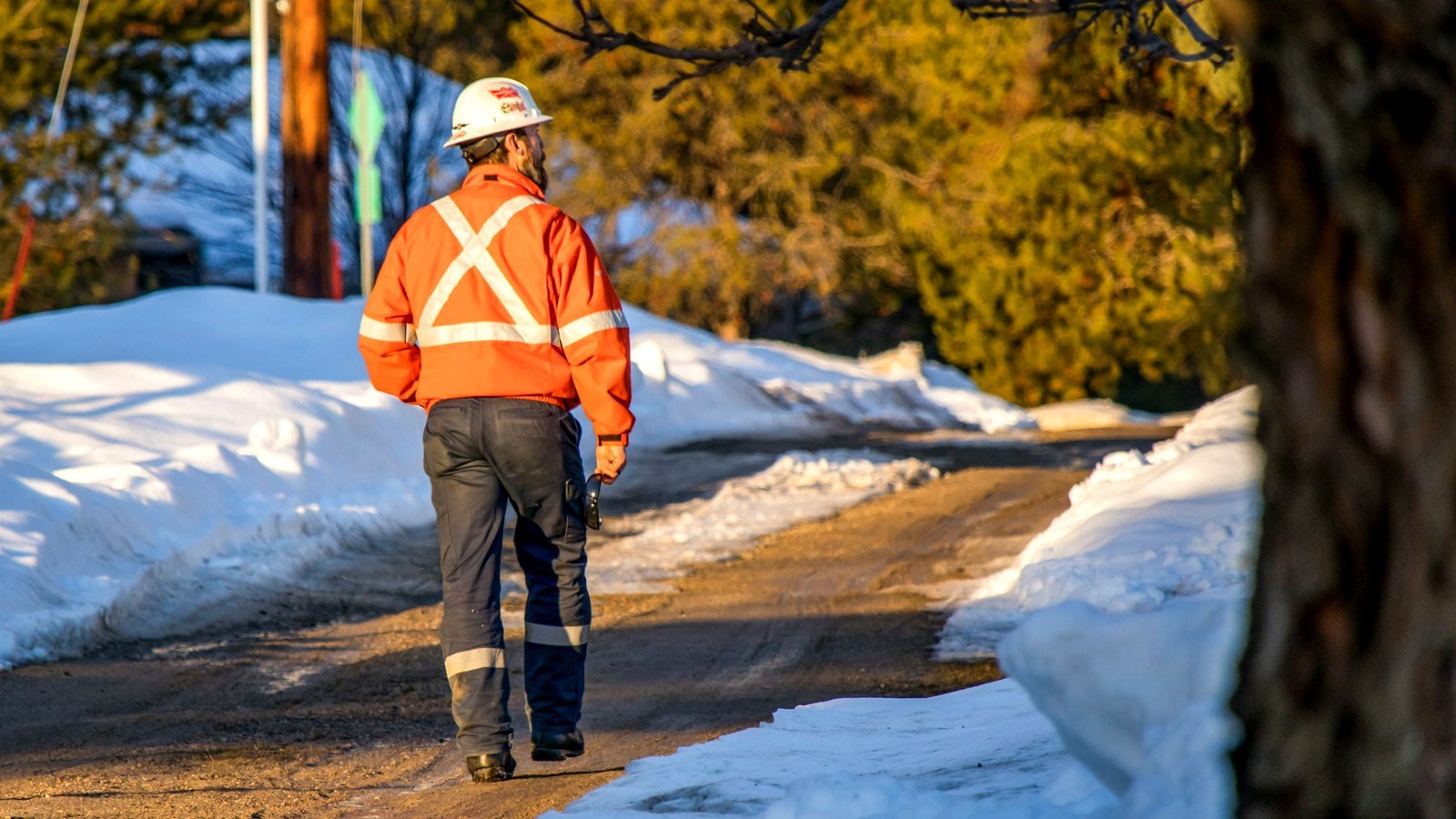
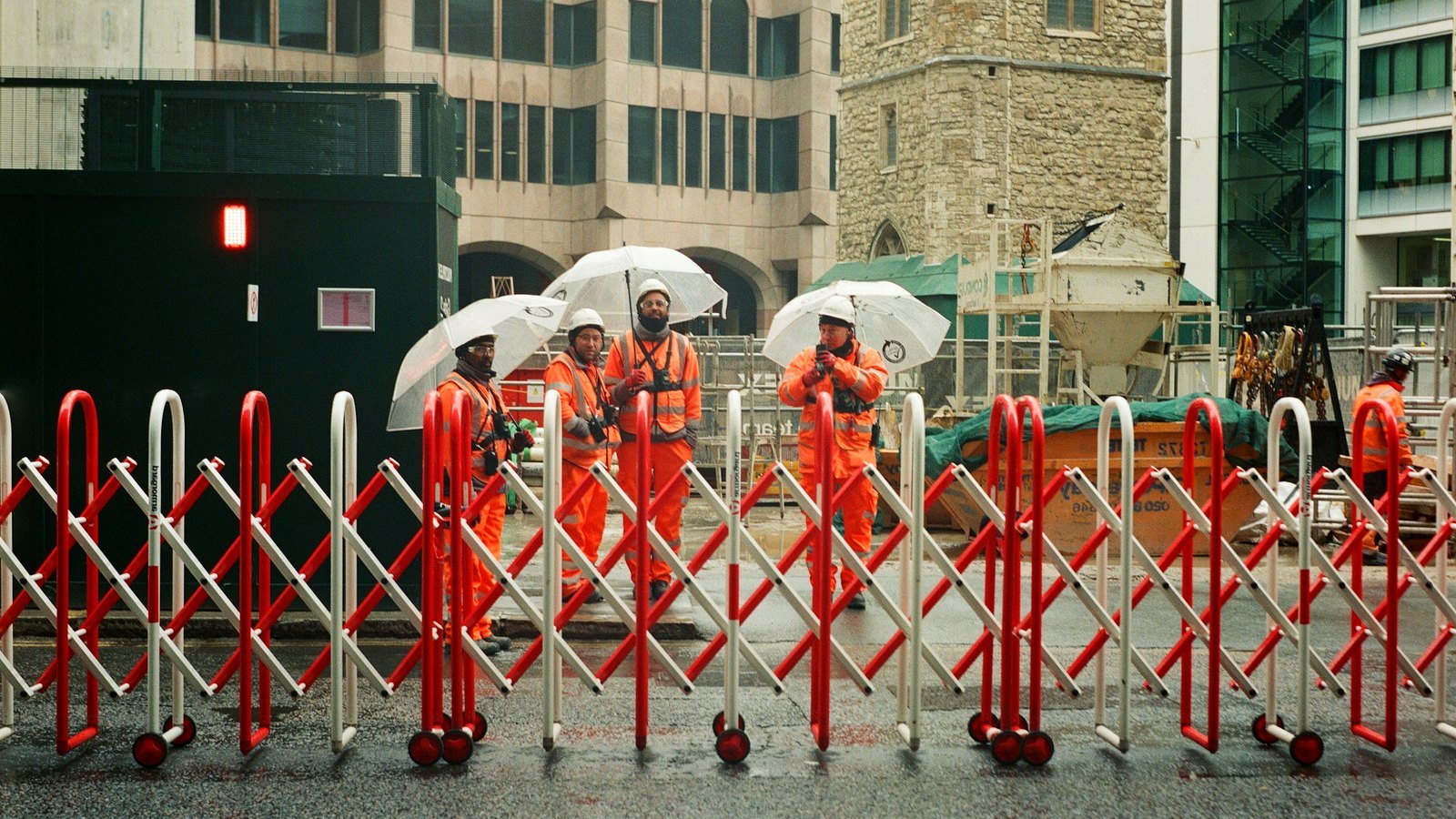
A hi vis waterproof jacket keeps rain out with two things working together: a waterproof fabric (either a PU-coated fabric or a laminated breathable membrane) and fully taped seams. Choose a PU-coated jacket for occasional rain, standing work and tight budgets; choose a breathable membrane jacket for active work in long wet seasons, where sweat trapped inside a coated jacket soaks the wearer from the inside. In Europe, both types can be rated to EN 343, which tells you how waterproof and how breathable the finished jacket is.
PU Coated vs Breathable Membrane at a Glance
| Factor | PU coated shell | Breathable membrane shell |
|---|---|---|
| Construction | Polyester oxford or knit with a polyurethane coating on the inside | Polyester face fabric laminated to a microporous or hydrophilic membrane |
| Waterproofing | Good when new; depends on coating weight | Good; depends on membrane and laminate quality |
| Breathability | Low — condensation builds up during active work | Moderate to high — moisture vapour can escape |
| Feel | Stiffer, can rustle | Softer and quieter |
| Price | Lower | Higher |
| Best for | Occasional rain, vehicle kits, standing work | Daily wear in wet climates, active roles |
What “Waterproof” Means: EN 343 in Plain Terms
EN 343 (protective clothing — protection against rain) is the European standard most buyers reference for rainwear. It rates two properties of the finished garment:
- Water penetration resistance — how much water pressure the fabric and seams resist before leaking. Classes run from 1 to 4, with 4 the highest.
- Water vapour resistance (breathability) — how easily sweat vapour can escape. Classes also run from 1 to 4, with 4 the most breathable. A garment with poor breathability may also carry a recommended maximum wearing time.
The rating is for the garment, not just the fabric, so seams and construction matter. When you compare quotes, ask for the EN 343 classes of the finished jacket, not only a fabric “mm” figure. In the US, buyers usually focus on visibility under ANSI/ISEA 107 and treat waterproofing as a specification agreed with the supplier.
Visibility Still Comes First
A waterproof jacket is usually the outer layer, so it carries the visibility requirement. With sleeves and good tape coverage, a jacket can reach ANSI/ISEA 107-2020 Class 3 or EN ISO 20471 Class 3. Rain matters here too: wet conditions reduce contrast, and some reflective tapes lose brightness when water sits on them. Microprismatic tape performs better when wet than glass-bead tape, which is why it is common on premium rainwear.
From Our Factory Floor
We have produced hi vis rainwear since 2004. Most leaks we see in returned or competitor samples come from construction, not fabric:
- Seam tape adhesion. Seam tape that is applied at the wrong temperature or pressure can look fine and peel after a few washes. We check adhesion on finished garments, not just on test strips.
- Needle holes through tape. Every stitch through a waterproof layer is a potential leak. Reflective tape that is sewn on must have its stitch lines sealed from the inside, or be heat-applied instead.
- Zip and storm flap. Standard zips are not waterproof. A double storm flap or a water-resistant zip with a flap is needed at the front.
- Cuffs, hood and hem. Water runs down sleeves and in at the neck. Adjustable cuffs, a peaked hood and a drawcord hem matter as much as the fabric.
- Pocket openings. Pockets should be flapped and placed where water does not pool.
Which Jacket for Which Job
| Situation | Recommended shell |
|---|---|
| Flaggers and gate staff in rain | PU coated, long cut, peaked hood |
| Road crews working all day in a wet season | Breathable membrane, microprismatic tape |
| Drivers and occasional outdoor visits | Lightweight packable PU jacket |
| Ports and marine terminals | Heavier coated or membrane shell with storm features |
| Cold and wet climates | Membrane shell with zip-in liner (3 in 1 system) |
Care: Keeping a Waterproof Jacket Waterproof
- Wash at the temperature on the label with a mild detergent; avoid fabric softener, which can clog membranes and dull tape.
- Do not tumble dry on high heat; it can damage seam tape and reflective tape.
- Dry the jacket before storing to prevent coating breakdown and odour.
- Re-proof the outer fabric with a durable water repellent (DWR) product when water stops beading.
What to Specify When You Order
- Shell type (PU coated or membrane) and, for Europe, the EN 343 classes required
- Visibility standard and class (ANSI/ISEA 107-2020 or EN ISO 20471)
- Tape type: glass bead or microprismatic
- Hood, lining (mesh, taffeta or padded) and pocket layout
- Colour, size breakdown and logo method (heat-sealed logos keep the shell waterproof)
See our waterproof safety jacket, rain safety jacket and rain suit.
FAQ
Is a water-resistant jacket the same as waterproof?
No. Water-resistant fabrics shed light rain but leak under sustained rain or pressure. A waterproof jacket needs a waterproof fabric and sealed seams.
Why does my waterproof jacket feel wet inside?
Usually condensation from sweat, not a leak. A breathable membrane and ventilation reduce it.
Can embroidery go on a waterproof jacket?
Embroidery punctures the fabric. Use heat-sealed transfers, or embroider on a patch or a non-waterproof area.
Request a Quote
Send us the shell type, quantity, visibility standard and class, EN 343 requirement if any, colour, sizes and logo artwork. We will recommend a build and send a sample for you to check fit, seams and tape before bulk production. Contact our team.
This guide is general information from a hi vis clothing manufacturer. Always confirm the standard, class and site rules that apply to your work; the published standards are the final reference.