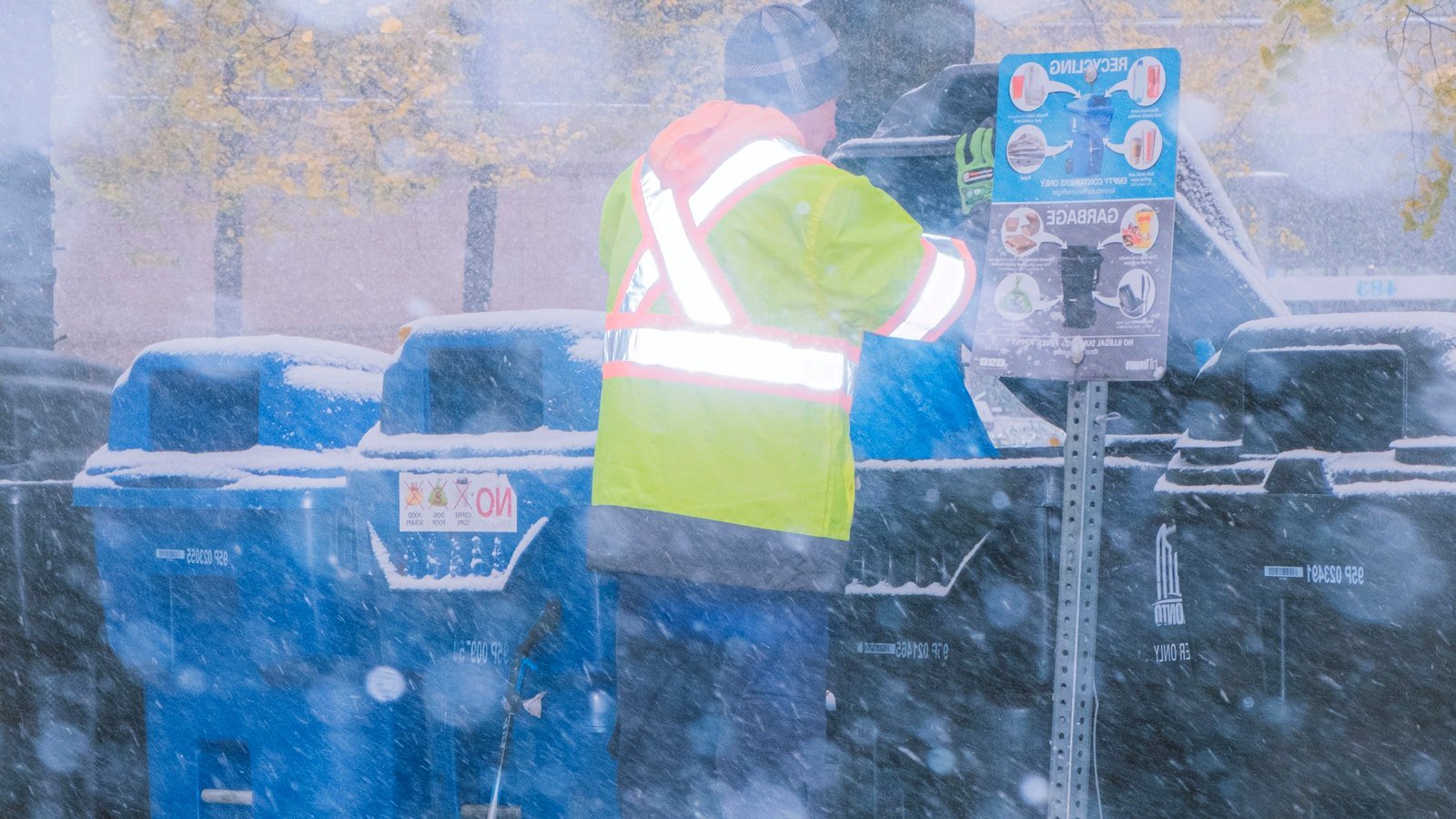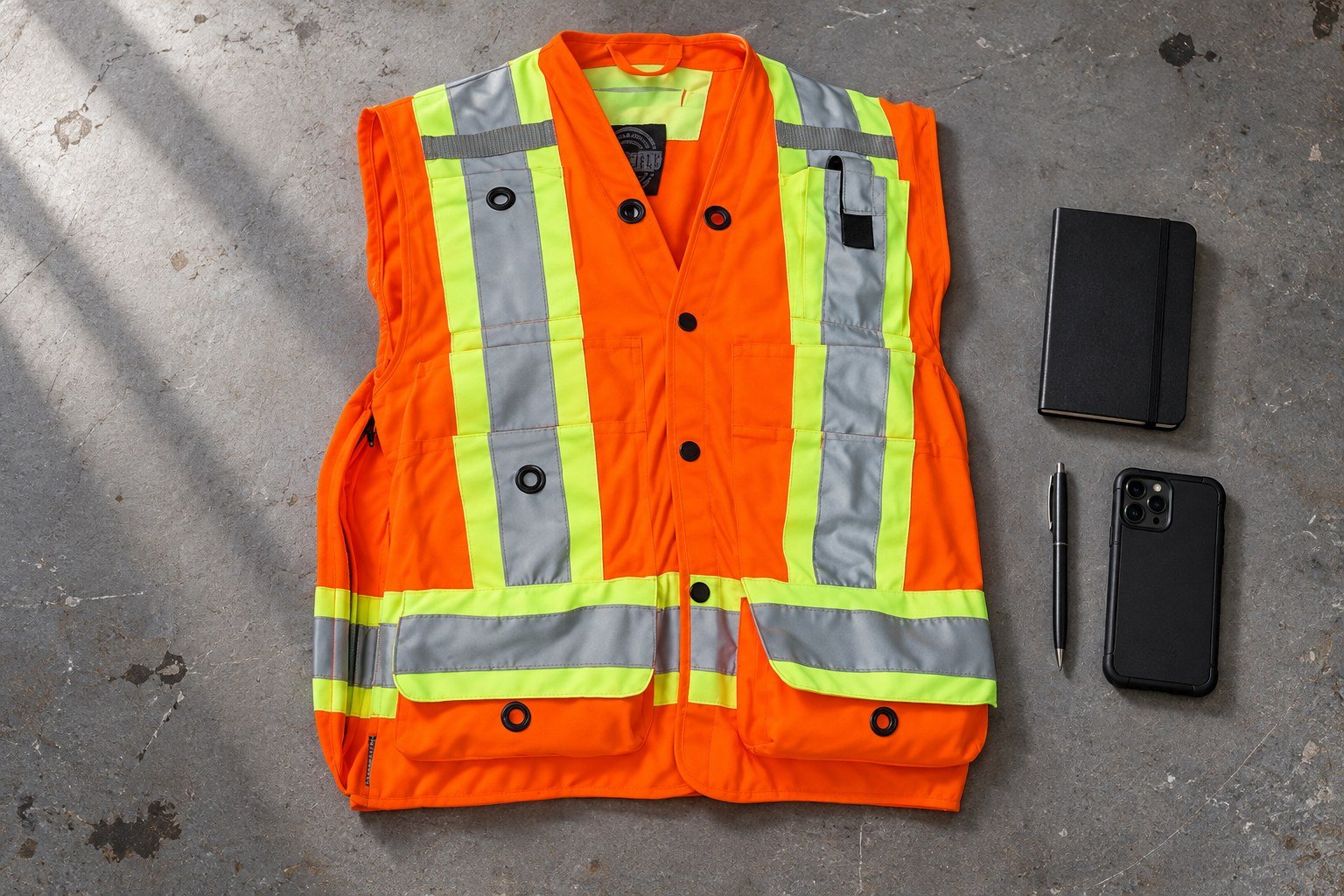
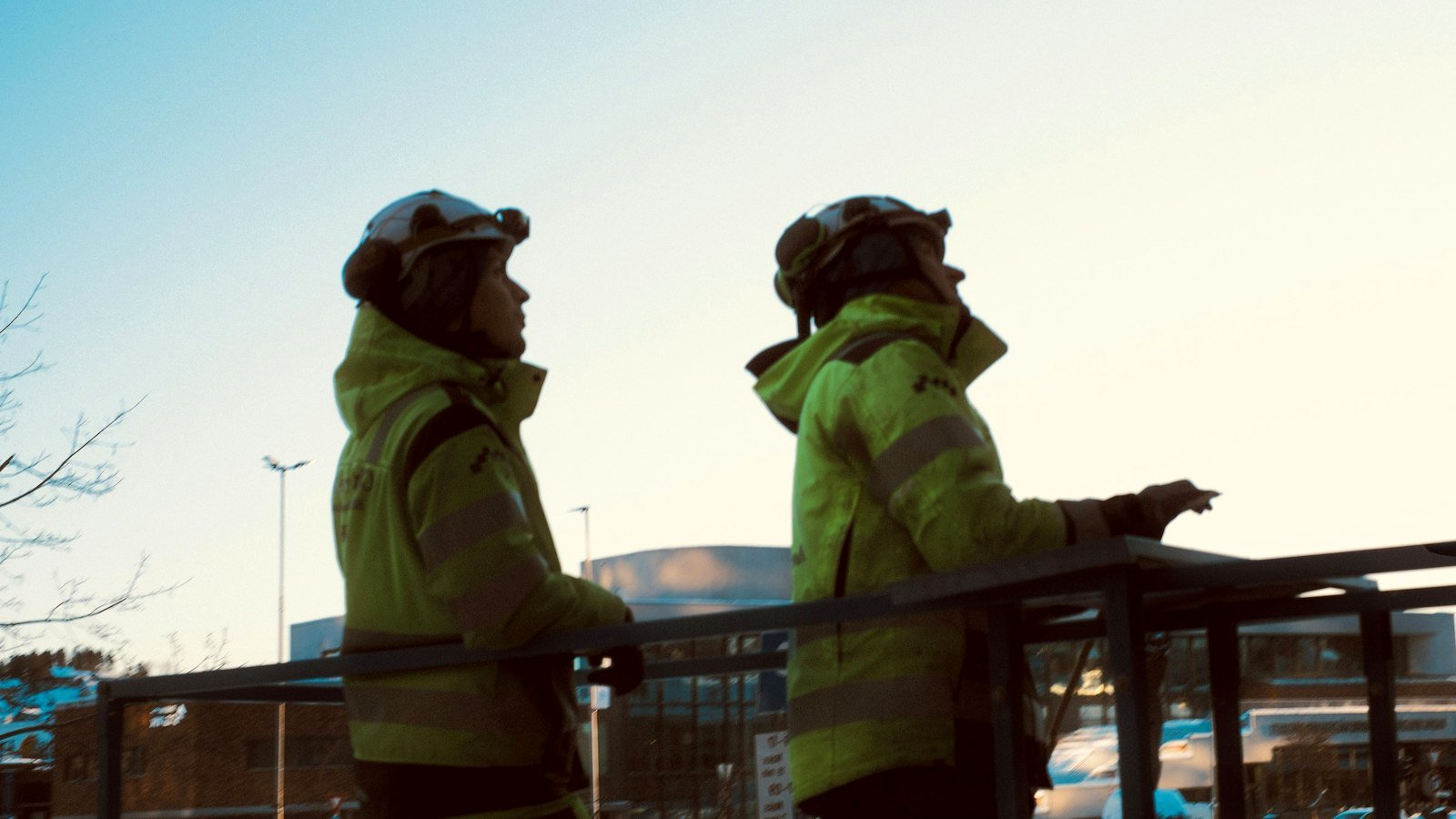
A 3 in 1 hi vis jacket is a waterproof outer shell with a removable inner liner — usually a fleece jacket, a padded bodywarmer or a quilted jacket. Worn together they make a winter jacket; worn separately the shell is a rain jacket and the liner is a light warm layer. That gives crews three ways to wear one purchase. The key question for safety managers is simple: is each layer compliant on its own? If the liner will ever be worn as the outer layer on site, it needs its own fluorescent fabric and reflective tape, built to the class you require.
How a 3 in 1 Hi Vis Jacket Works
The shell and liner are joined by a zip running around the inside front of the shell, often combined with snaps or loops at the cuffs and collar. Some designs use a “zip-in, zip-out” system that also accepts other compatible liners from the same range.
| Combination | Typical use | Visibility depends on |
|---|---|---|
| Shell + liner | Cold, wet or windy days | The shell (the liner is covered) |
| Shell only | Rain in mild weather | The shell |
| Liner only | Dry, cool days; indoors and outdoors | The liner — must be hi vis itself if worn on site |
Liner Options Compared
| Liner | Strengths | Limits |
|---|---|---|
| Fleece jacket | Breathable, easy to wash, comfortable for active work | Not windproof on its own |
| Padded bodywarmer (sleeveless) | Warm core, free arms; zip-off sleeve versions possible | Cannot be Class 3 when worn alone |
| Quilted padded jacket | Warmest option, sleeves included | Bulkier; may need a larger shell size |
| Softshell jacket | Wind-resistant, smart appearance, stretch | Higher cost; less warm than padding |
When Is Each Layer Compliant?
Certification applies to the garment as it is worn. A shell that meets ANSI/ISEA 107-2020 Class 3 or EN ISO 20471 Class 3 remains compliant whether or not the liner is inside it, because the liner is hidden. The liner is different:
- If the liner is plain-coloured (navy, black, grey), it is only a warm layer. Workers must not wear it as the outer garment on site.
- If the liner is fluorescent with reflective tape, it can be its own compliant garment — but only if it was designed and tested to a class. A hi vis fleece with sleeves can often reach Class 2 or Class 3; a sleeveless bodywarmer can reach Class 2 at most.
- Labels should tell the worker which combinations are covered. We recommend separate labels on the shell and the liner.
For roadwork in the US, federal-aid highway rules require ANSI/ISEA 107 Class 2 or Class 3 apparel, so a non-hi-vis liner worn alone would not meet the requirement. See our knowledge base for the class definitions.
3 in 1 vs a Single Winter Jacket
| Factor | 3 in 1 hi vis jacket | Single insulated jacket |
|---|---|---|
| Season coverage | Autumn to spring, plus rain in summer | Mainly winter |
| Drying | Shell and liner dry separately and faster | Slower, especially padded jackets |
| Washing | Liner can be washed more often than the shell | Whole jacket washed together |
| Bulk | Slightly heavier because of the extra zip and two layers | Lighter for the same warmth |
| Unit price | Higher per piece | Lower per piece |
| Cost per season | Often lower, as it replaces two garments | Needs a separate rain jacket |
Choose a 3 in 1 when crews work through several seasons and weather changes during the day. Choose a single winter safety jacket when work is mostly in steady cold and budget per piece matters most.
From Our Factory Floor
In more than 20 years of making hi vis outerwear, we have found that most problems with 3 in 1 jackets come from the connection between the two layers, not from the fabrics themselves:
- Zip matching. The liner zip must match the shell zip in gauge and length. A mismatch of even a few centimetres makes the liner bunch at the hem. We check this on every size, not just the sample size.
- Size grading. The liner must be graded slightly smaller than the shell in every size. If the liner is graded on the same pattern, the large sizes become tight in the shoulders.
- Sleeve attachment. Loops or snaps at the cuffs stop the liner sleeves pulling out when the jacket is taken off. They are cheap and save a lot of frustration on site.
- Seam sealing. The shell’s zip-in tape is sewn through the shell lining, not the outer fabric, so the shell’s taped seams stay waterproof.
- Labelling. Each layer gets its own label with size, care and certification information.
What to Specify When You Order
- Shell fabric and waterproofing (PU coated or breathable membrane; EN 343 class if required)
- Liner type and whether it must be hi vis and compliant on its own
- Required visibility standard and class for each layer
- Colours, including any two-tone design
- Hood type: fixed, detachable or stored in the collar
- Size breakdown and logo positions on both layers
See our reflective parka and waterproof safety jacket for shells that can be built as 3 in 1 systems.
FAQ
Can I buy the shell and liner separately?
Yes. Many buyers order extra liners or extra shells so damaged parts can be replaced without buying a whole new jacket. The zip system must match.
Is a 3 in 1 hi vis jacket waterproof?
The shell is waterproof when it uses a coated or membrane fabric with taped seams. The liner is not waterproof.
Can the liner be worn alone on a road site?
Only if it is a hi vis garment that meets the class your site requires. A plain liner is for warmth under the shell only.
Does a 3 in 1 jacket need a bigger size?
Usually not if the liner is graded correctly. Check the sample with the clothing your crew wears underneath.
Request a Quote
Tell us the quantity, shell and liner types, the standard and class for each layer, colours, size breakdown and logo artwork. We will propose a build, confirm the test reports available for it, and make a sample of both layers for you to check. Contact our team to get started.
This guide is general information from a hi vis clothing manufacturer. Always confirm the standard, class and site rules that apply to your work; the published standards are the final reference.