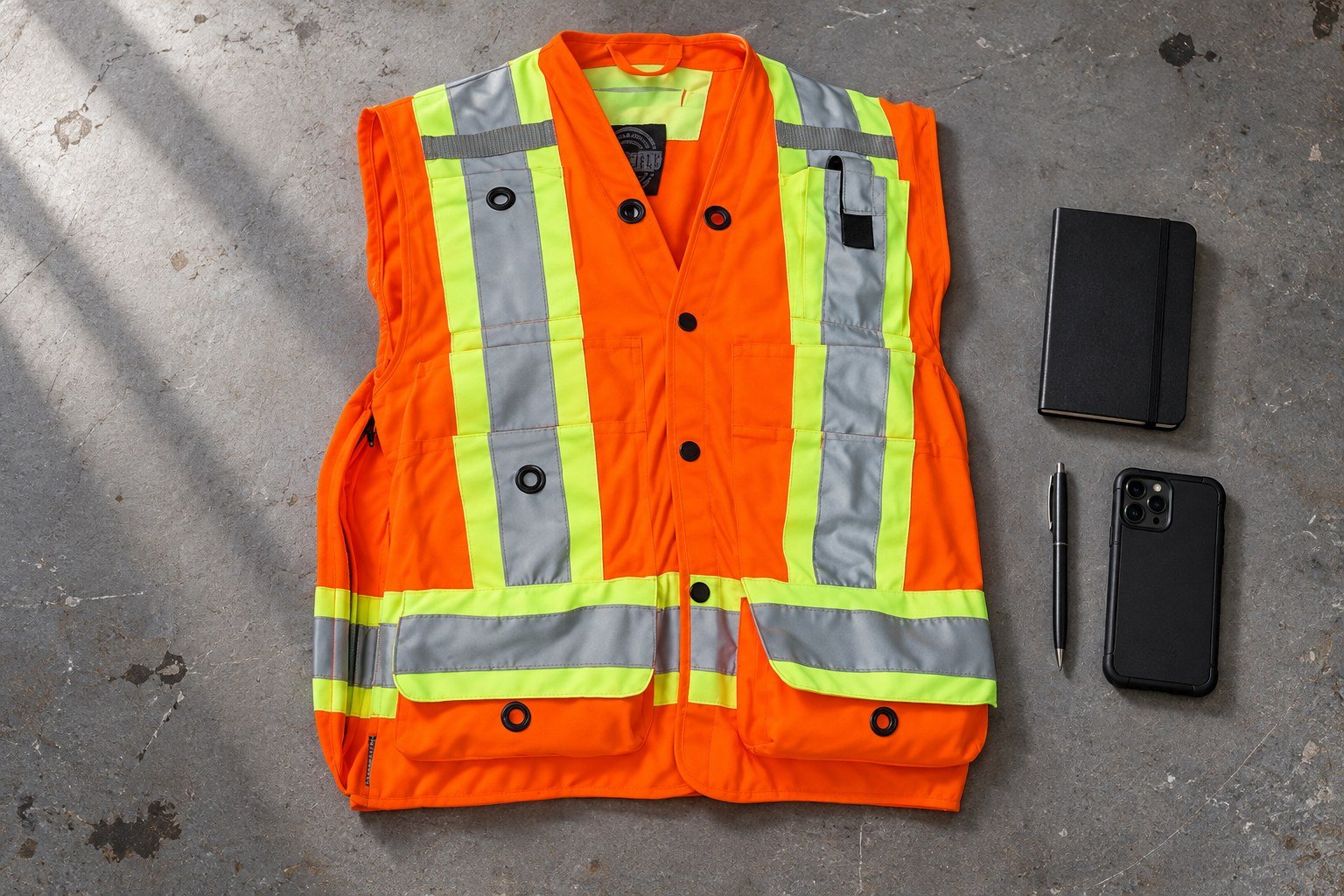
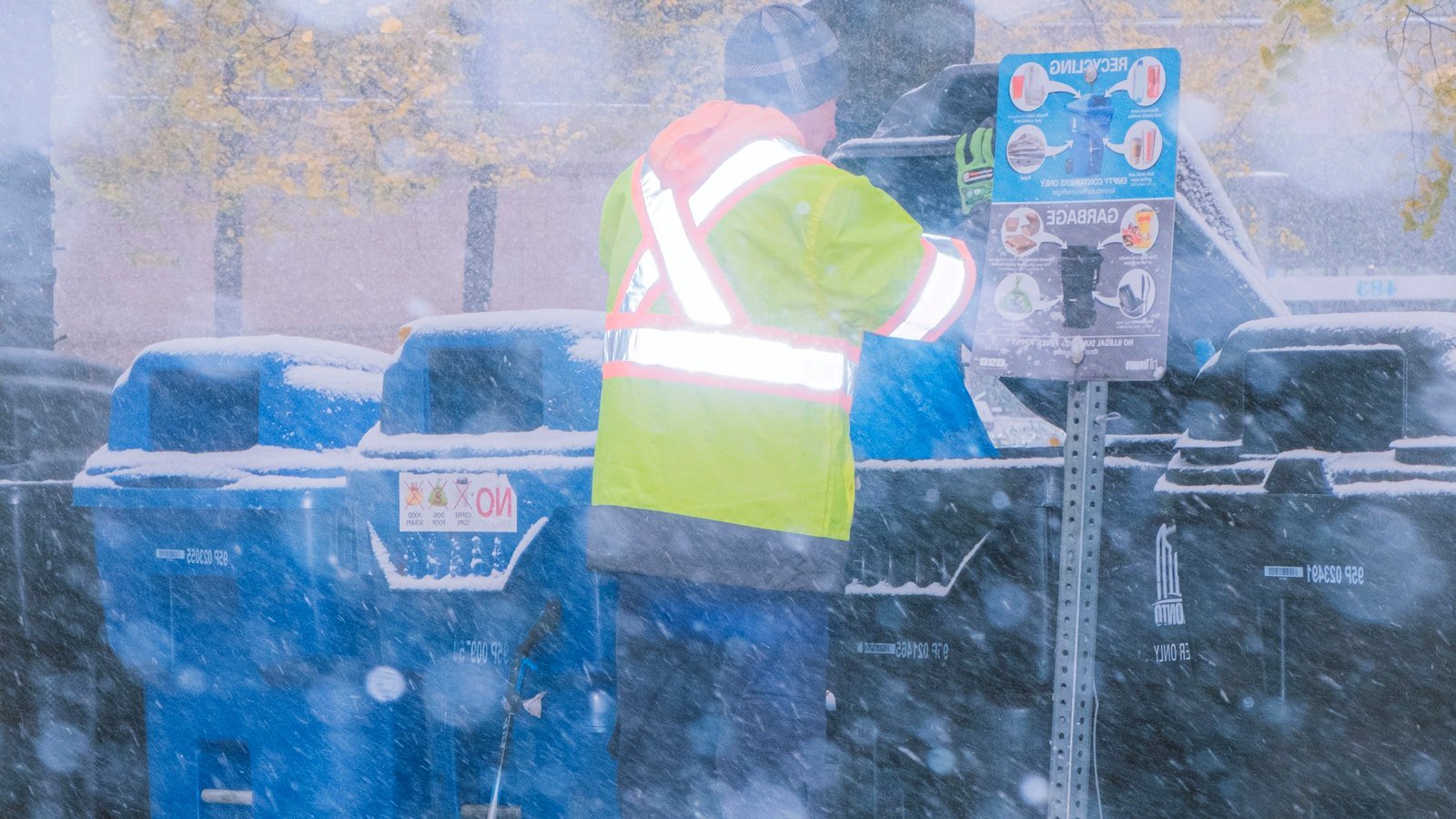
A hi vis insulated vest keeps the core warm while leaving the arms free, which is why it is popular with crews who lift, climb and use tools in cold weather. Choose a padded (insulated) vest for the most warmth under wind and light rain, a fleece vest for active work in cool, dry conditions, and a puffer-style vest when you need warmth with the least bulk under a shell. Whichever you choose, check that the insulation does not push the reflective tape out of position or reduce the fluorescent area your visibility class needs.
This guide compares the three main types of warm hi vis vest from a manufacturer’s point of view: how they are built, where each one works, and what to check on a sample before you order for a whole crew.
Insulated, Fleece or Puffer: The Short Answer
| Vest type | How it is built | Best for | Watch out for |
|---|---|---|---|
| Padded insulated vest | Woven polyester or oxford shell, polyester padding, quilted or taffeta lining | Cold, windy sites; light rain; static or semi-static work | Bulk under jackets; shell needs a coating to resist rain |
| Fleece vest | Single layer of fluorescent polyester fleece, sometimes bonded to a wind membrane | Active work in cool, dry weather; mid-layer under a shell | Wind passes through standard fleece; picks up dust and burrs |
| Puffer (quilted) vest | Lightweight shell with box- or channel-quilted fill | Warmth with low bulk; layering under a rain jacket | Quilting lines can cut across reflective tape if not planned |
None of these is “better” in every case. The right vest depends on temperature, wind, how much the wearer moves, and what they wear over or under it.
How Each Type Keeps Workers Warm
Padded insulated vests
A padded vest traps air in a layer of polyester wadding between the shell and the lining. Warmth depends mainly on the thickness and weight of that padding, and on how well the shell blocks wind. Most work vests use a woven polyester or oxford shell with a PU coating, which makes them wind-resistant and water-repellent. For crews who stand in the cold — flaggers, gate staff, loaders waiting for trucks — this is usually the warmest practical choice.
Fleece vests
Fleece is a brushed knit fabric that holds warm air in its pile. It breathes well, so it suits people who are moving and sweating, but standard fleece lets wind through. A bonded fleece with a wind membrane solves that at a higher cost. Fleece vests are popular as the middle layer of a system: shirt, fleece vest, waterproof jacket.
Puffer vests
A puffer vest uses a lightweight shell stitched into channels or boxes that hold the fill in place. It gives good warmth for its weight and packs down small. The challenge for hi vis is design: the stitch lines and the tape have to work together, otherwise tape is either broken up by quilting or puckers over the fill.
Visibility: What Insulation Changes
A warm vest is still a high-visibility garment, so the same rules apply as for any vest. Under ANSI/ISEA 107-2020, a Type R Class 2 garment needs at least 775 sq in of fluorescent background and 201 sq in of retroreflective material in its smallest size. Under EN ISO 20471, Class 2 needs at least 0.50 m² of background and 0.13 m² of reflective material. A sleeveless vest cannot reach Class 3 on its own under either standard.
Insulation affects visibility in three practical ways:
- Tape position. Thick padding pushes the vest away from the body, so shoulder bands can slide and horizontal bands can sit higher or lower than on a flat vest. Tape has to be positioned on the finished, filled garment, not on a flat pattern.
- Quilting lines. Stitching through tape weakens it and creates gaps. Good designs route quilting around the tape or apply the tape on a smooth panel.
- Two-tone designs. A dark lower panel hides dirt, but it reduces the fluorescent area. On small sizes this is often the difference between passing and failing a class.
For the full background on classes, see our hi vis knowledge base.
From Our Factory Floor
We have manufactured hi vis workwear since 2004, and warm vests generate more sample revisions than almost any other style. The issues we check most often are practical ones:
- Sizing over layers. Buyers often order a warm vest in the same size as a summer vest. A padded vest worn over a hoodie needs more chest room; we recommend checking the sample over the clothing your crew actually wears.
- Armhole size. Insulated vests with small armholes restrict reaching overhead. On samples we check that the wearer can raise both arms without the vest riding up and hiding the lower tape band.
- Zip and storm flap. A zip without a storm flap lets cold air in along the front. On padded vests we usually recommend a two-way zip with a flap.
- Tape after filling. We measure tape position on the finished vest, because padding changes where the bands sit compared with the flat pattern.
- Collar. A raised, fleece-lined collar adds a lot of comfort for very little cost, but it must not cover the shoulder tape.
Which Warm Vest for Which Job
| Situation | Recommended vest | Why |
|---|---|---|
| Flagging or gate duty in cold wind | Padded insulated vest with coated shell | Blocks wind, warmest for standing work |
| Warehouse or loading dock in winter | Fleece or puffer vest | Warm while moving, does not restrict lifting |
| Outdoor work with rain likely | Puffer or fleece vest under a waterproof safety jacket | Layer system: vest for warmth, shell for rain |
| Night roadwork in winter | Insulated vest plus sleeved outer layer or Class E pants | Vest alone cannot reach Class 3 |
| Mixed indoor/outdoor work | Fleece vest | Breathes indoors, easy to take on and off |
What to Specify When You Order
- Vest type (padded, fleece, puffer) and approximate fill or fabric weight
- Required standard and class, for example ANSI/ISEA 107-2020 Type R Class 2 or EN ISO 20471 Class 2
- Colour: fluorescent yellow or orange, single colour or two-tone
- Closure, collar and pocket layout (radio pocket, chest pocket, inside pocket)
- Size breakdown, noting what will be worn underneath
- Logo position and method — keep logos off the reflective tape
You can compare our vest styles on the hi vis vests page, and for a sleeved option see the bomber safety jacket, which is often made with zip-off sleeves so it converts into a vest.
FAQ
Is an insulated hi vis vest warm enough for winter?
For moderate cold and active work, often yes. For long periods standing in freezing wind, most workers need an insulated vest under or over a sleeved layer, or a full winter jacket.
Can a hi vis insulated vest be Class 3?
Not on its own. Class 3 requires sleeves under both ANSI/ISEA 107 and EN ISO 20471. Pair the vest with a sleeved compliant garment, or with Class E trousers under ANSI, to reach Class 3 as an ensemble.
Fleece or padded — which lasts longer?
Padded vests with a woven shell resist abrasion better on rough sites. Fleece is more comfortable for active work but can pill and collect debris. Anti-pilling fleece improves its life.
Can warm vests be washed regularly?
Yes, following the care label. Low temperatures and no fabric softener protect both the fluorescent colour and the reflective tape.
Request a Quote for Warm Hi Vis Vests
Send us the vest type, quantity, required standard and class, colour, size breakdown and logo artwork, and tell us what your crew wears underneath. We will recommend a build and prepare a sample so you can check warmth, fit and tape position before bulk production. Contact our team to start.
This guide is general information from a hi vis clothing manufacturer. Always confirm the standard, class and site rules that apply to your work; the published standards are the final reference.