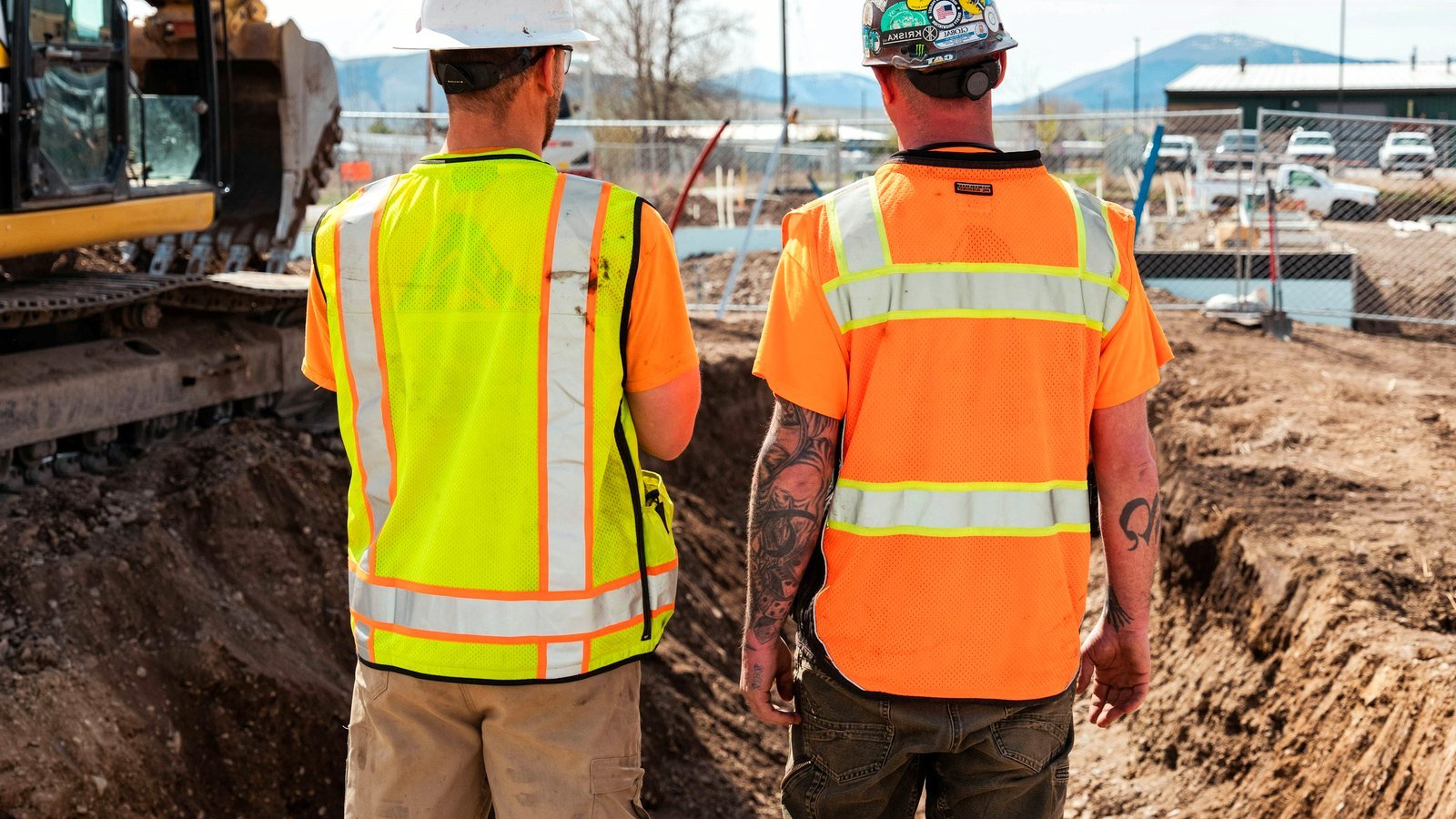
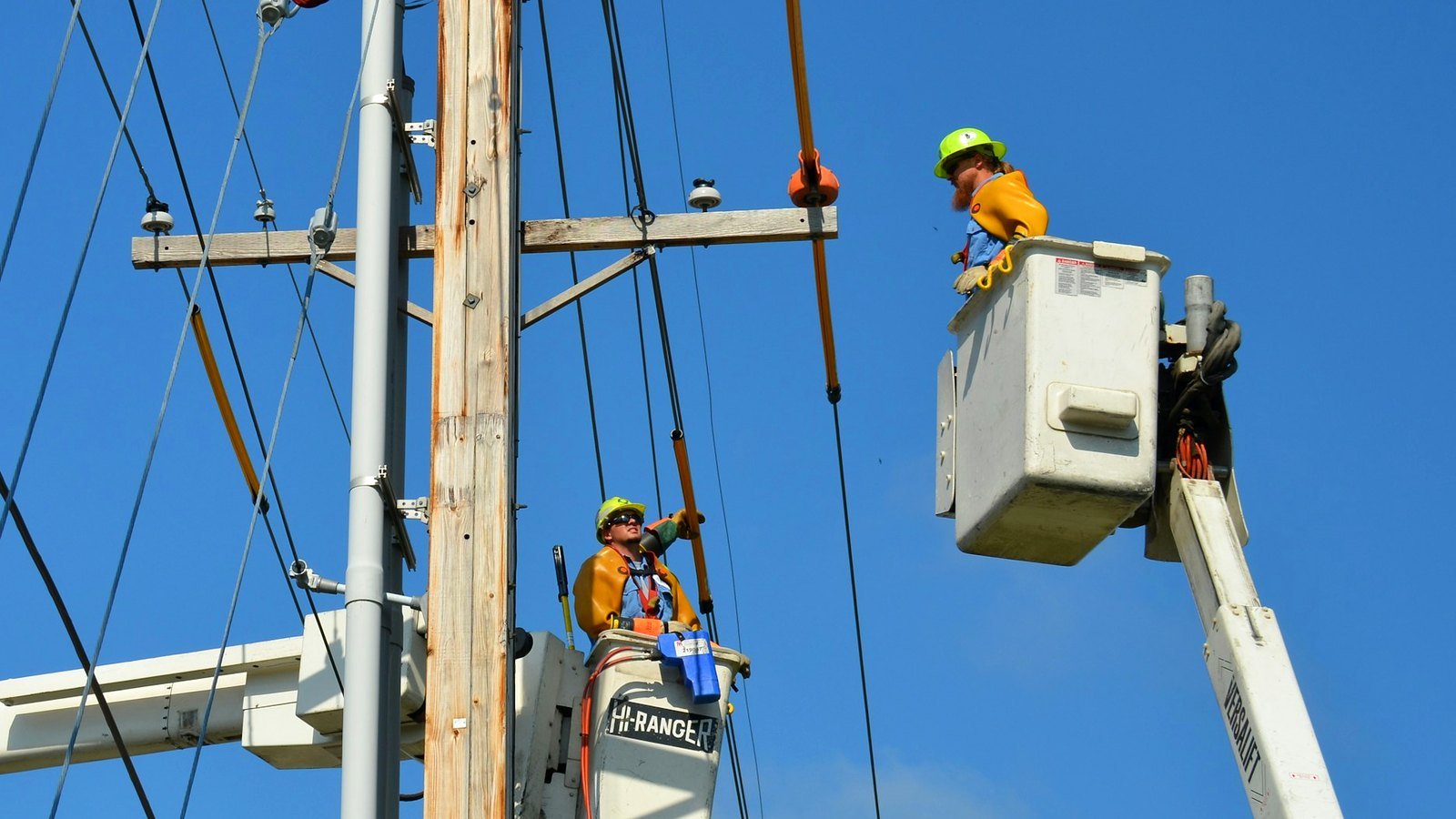
An FR hi vis vest is a high-visibility vest made entirely from flame-resistant materials: FR fabric, FR reflective tape, FR thread and non-melting closures. You need one when a worker who must be visible also faces flash fire, electric arc or molten metal hazards — utility linemen, oil and gas crews, refinery and petrochemical workers, and some welding and foundry roles. A standard polyester vest worn over FR clothing can melt and burn onto the FR layer in a flash fire, which is why many FR programmes ban non-FR vests on site.
Why a Standard Hi Vis Vest Is a Problem Around Flame
Most hi vis vests are made from 100% polyester, which melts and drips when exposed to flame or arc heat. Molten polyester sticks to whatever is underneath and can cause serious burns even when the worker is wearing FR shirts and trousers. An FR vest is built so that it does not continue burning after the heat source is removed and does not melt and drip.
What Has to Be Flame Resistant
| Component | Standard vest | FR vest |
|---|---|---|
| Body fabric | Polyester knit or mesh | Inherent FR (e.g. modacrylic blends) or treated FR fabric |
| Reflective tape | Standard glass bead tape | FR retroreflective tape |
| Thread | Polyester | FR thread (e.g. aramid) |
| Closure | Plastic zip or hook-and-loop | FR hook-and-loop or covered metal zip |
| Logo | Standard ink or vinyl | FR transfer or FR embroidery |
One non-FR component can undermine the whole garment, so ask your supplier for the FR status of every part, not just the fabric.
Standards to Ask For
The right standard depends on the hazard and the market:
- ASTM F1506 / NFPA 70E (US): electrical arc flash; garments carry an arc rating (ATPV or EBT in cal/cm²).
- NFPA 2112 (US): flash fire, common in oil and gas.
- EN ISO 11612 (Europe): heat and flame.
- IEC 61482-2 (international/Europe): electric arc.
- EN 1149-5: electrostatic dissipation, often required alongside flame resistance in explosive atmospheres.
Visibility is assessed separately under ANSI/ISEA 107-2020 or EN ISO 20471. ANSI/ISEA 107 also includes guidance for flame-resistant hi vis garments. A compliant FR hi vis vest is tested to both types of standard.
Inherent vs Treated FR Fabric
| Factor | Inherent FR | Treated FR |
|---|---|---|
| How it works | Flame resistance is in the fibre | A chemical finish applied to the fabric |
| Durability | For the life of the garment | Depends on correct washing; can degrade with misuse |
| Cost | Higher | Lower |
| Fluorescent colour | Achievable on modacrylic blends | Depends on base fabric |
From Our Factory Floor
We have manufactured hi vis workwear since 2004, including FR builds. The questions we always settle with buyers before sampling:
- Which hazard? Arc, flash fire and welding need different fabrics and tests. “FR” alone is not a specification.
- Component certificates. We keep the certificate for each FR component on file for the order: fabric, tape, thread and closure.
- Colour consistency. FR fabrics are harder to dye to fluorescent colour limits. We check colour against the visibility standard on each fabric lot.
- Logos. Customers often forget that a logo must also be FR. We only use FR transfers or FR embroidery thread on FR vests.
FR Vest or FR Shirt?
If workers already wear FR shirts that are not hi vis, an FR vest adds visibility without replacing the uniform. If you are buying new garments anyway, an FR hi vis shirt or FR coveralls may be simpler, with one layer instead of two.
FAQ
Can I wear a normal hi vis vest over FR clothing?
Not where flash fire or arc hazards exist. The polyester vest can melt onto the FR layer. Use an FR vest.
Does FR treatment wash out?
Inherent FR does not. Treated FR fabric keeps its protection only if washed as instructed — avoid bleach, fabric softener and starch.
Are FR vests available in mesh?
Yes, FR mesh fabrics exist, though they are less common and cost more than solid FR fabric.
Request a Quote
Tell us the hazard, the FR and visibility standards required, quantity, colour, sizes and logo. We will propose certified materials and confirm which test reports are available. Contact our team.
This guide is general information from a hi vis clothing manufacturer. Always confirm the standard, class and site rules that apply to your work; the published standards are the final reference.