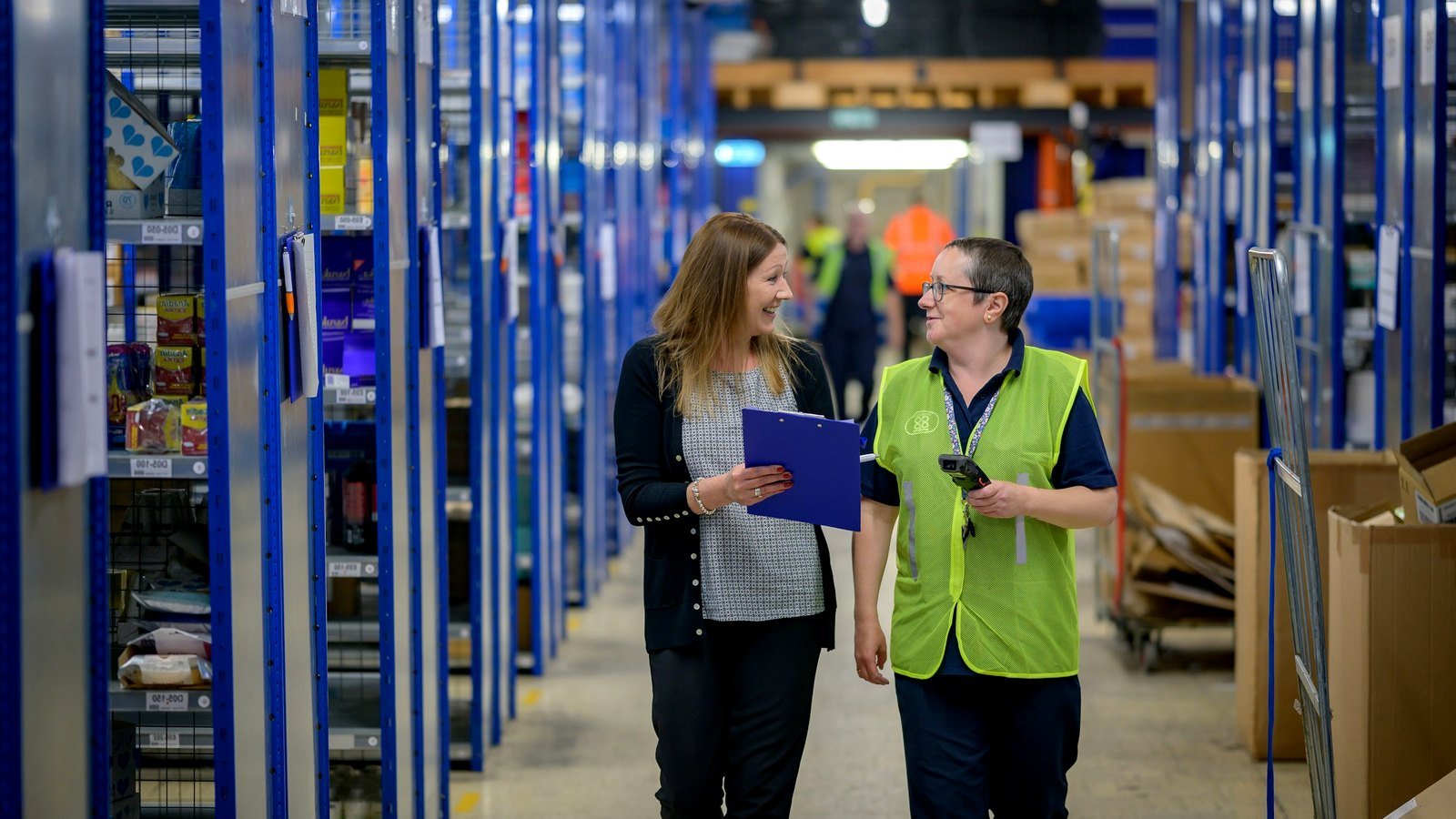

A hi vis mesh vest is made from open-knit polyester with visible holes, so air passes straight through. It is the coolest and lightest vest you can buy, which makes it the default choice for summer work, hot climates, events and visitor vests. A solid vest (tricot or knit without holes) gives a smoother surface for printing, resists snags better and carries more fluorescent background per square inch. Choose mesh when heat is the main problem; choose solid when you need large logos, durability on rough sites, or the most daytime visibility from a small garment.
Mesh vs Solid at a Glance
| Factor | Mesh vest | Solid vest |
|---|---|---|
| Airflow | Excellent | Moderate |
| Weight | Lightest | Light |
| Daytime visibility per area | Lower — holes show what is behind | Higher — continuous fluorescent surface |
| Logo printing | Bold logos and text only | Fine detail and photo-quality prints |
| Snag resistance | Lower | Higher |
| Cost | Lowest | Low |
| Best for | Summer, hot climates, events, visitors | Branding, rough sites, all-year use |
Does Mesh Affect Compliance?
Mesh fabric can be certified under ANSI/ISEA 107-2020 and EN ISO 20471. Fluorescent background materials are tested for colour and luminance, and the class depends on the area of compliant material in the smallest size. With open mesh, the size and density of the holes affect how bright the vest looks in daylight. That is why certified mesh vests use mesh fabrics that have been tested as background material, and why small mesh vests can struggle to reach Class 2. At night, visibility comes mostly from the reflective tape, which is the same on mesh and solid vests.
Hybrid Designs
- Solid front, mesh back: clean front for logos, ventilation across the back.
- Mesh with solid pocket panels: pockets that do not snag and hold items better.
- Mesh with solid tape backing: tape sewn onto a solid strip for better durability.
From Our Factory Floor
Mesh vests are among the highest-volume items we have made since 2004. The details we watch:
- Mesh gauge. Very open mesh is cool but looks less bright and tears more easily. We help buyers choose a gauge that matches the use.
- Edge binding. Mesh frays at raw edges; bound edges and armholes make a big difference to life.
- Tape stitching on mesh. Stitches can pull through open mesh; tape needs the right stitch length and sometimes a backing.
- Printing. Ink can bleed through holes and look broken. Bold, simple artwork prints best; fine logos go on a solid panel.
FAQ
Is a mesh safety vest ANSI compliant?
It can be, when made with certified mesh fabric and tape in a compliant layout. Check the label.
Are mesh vests good for winter?
Not on their own. In winter, wear a mesh vest over a jacket, or choose a solid or insulated vest.
Can I put a large logo on a mesh vest?
Yes, if it is bold and simple. For detailed logos, choose a solid front panel.
Request a Quote
Tell us the fabric (mesh, solid or hybrid), class, quantity, sizes and logo. See our mesh safety vest or contact our team.
This guide is general information from a hi vis clothing manufacturer. Always confirm the standard, class and site rules that apply to your work; the published standards are the final reference.