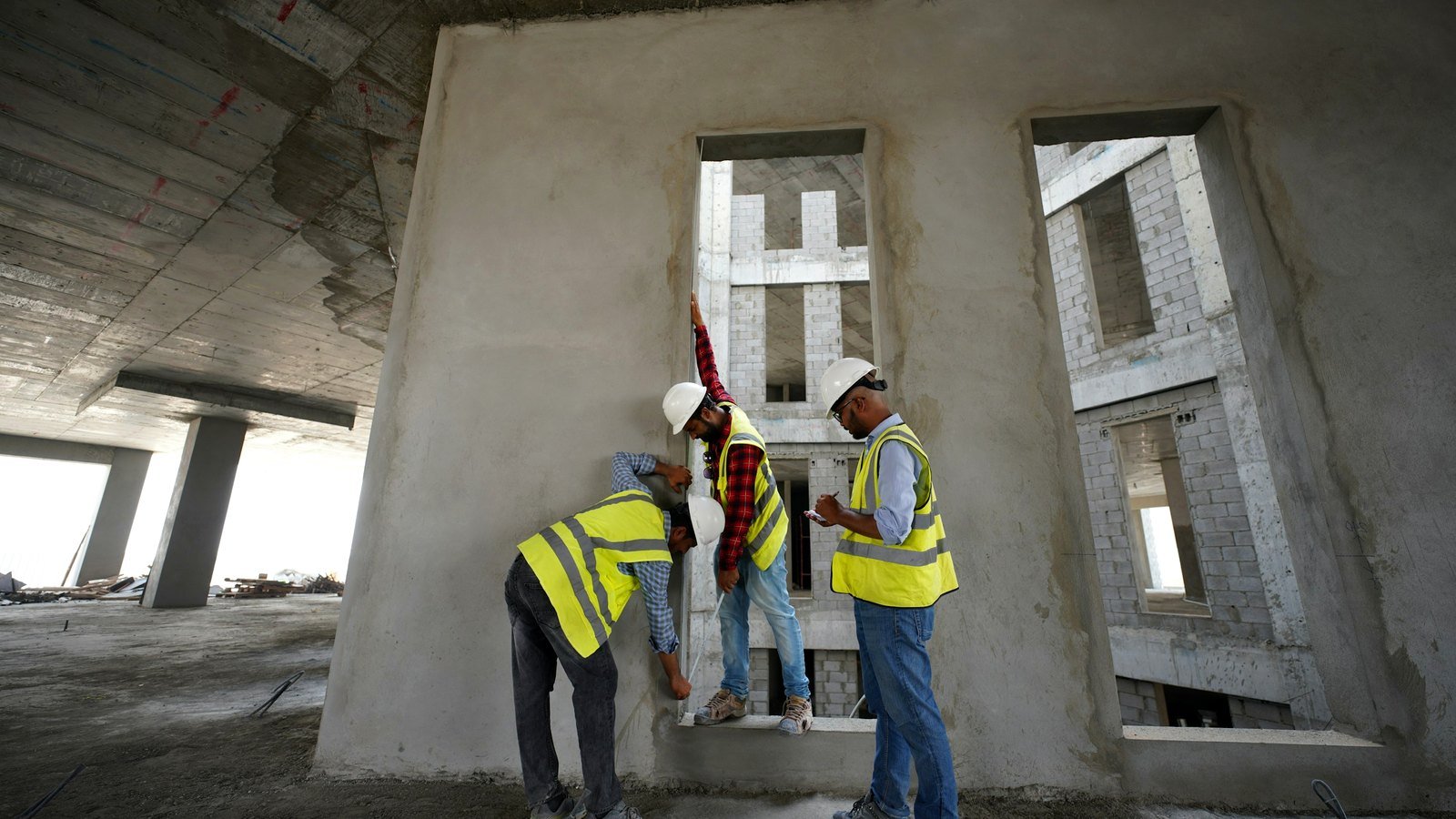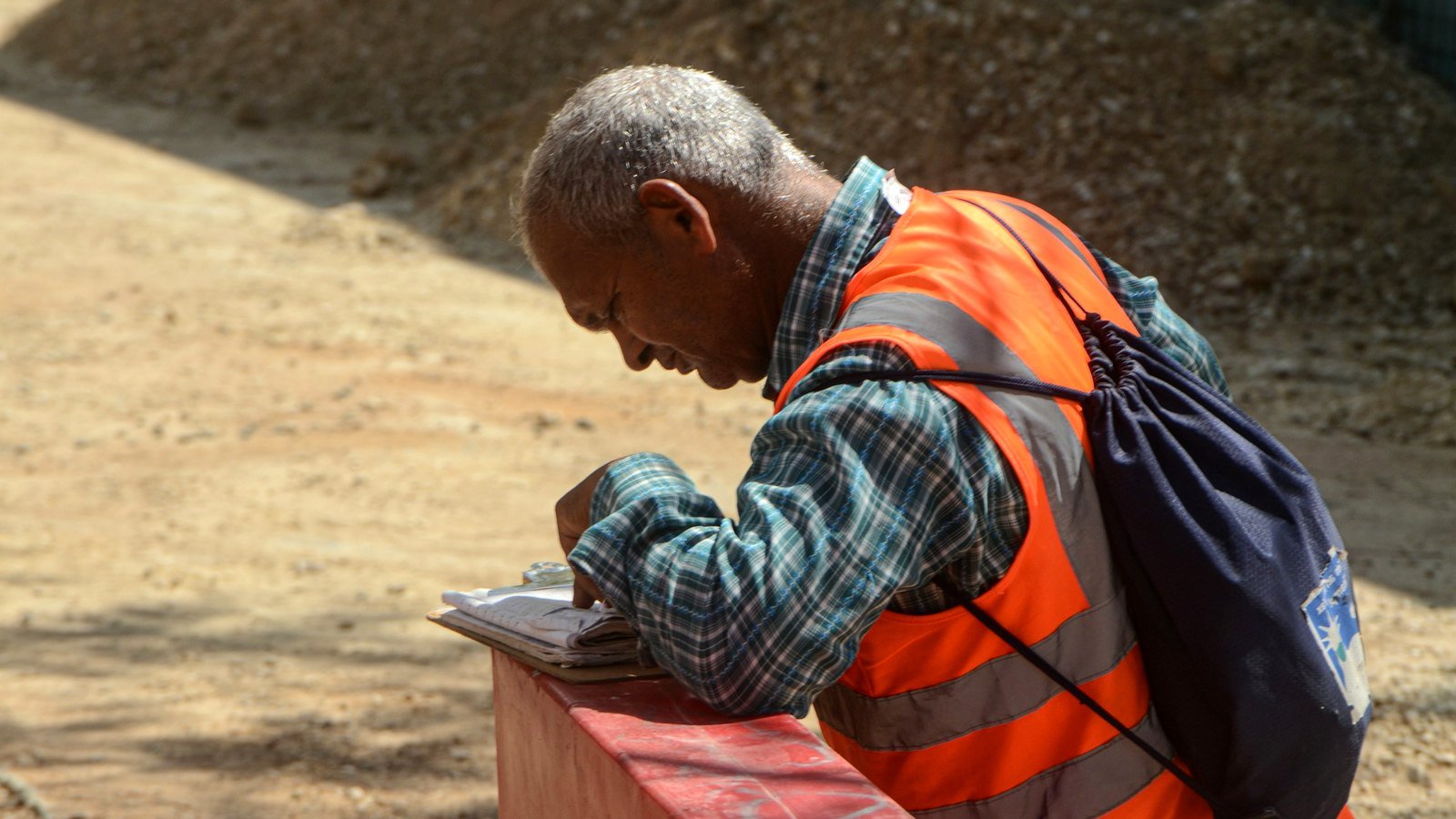
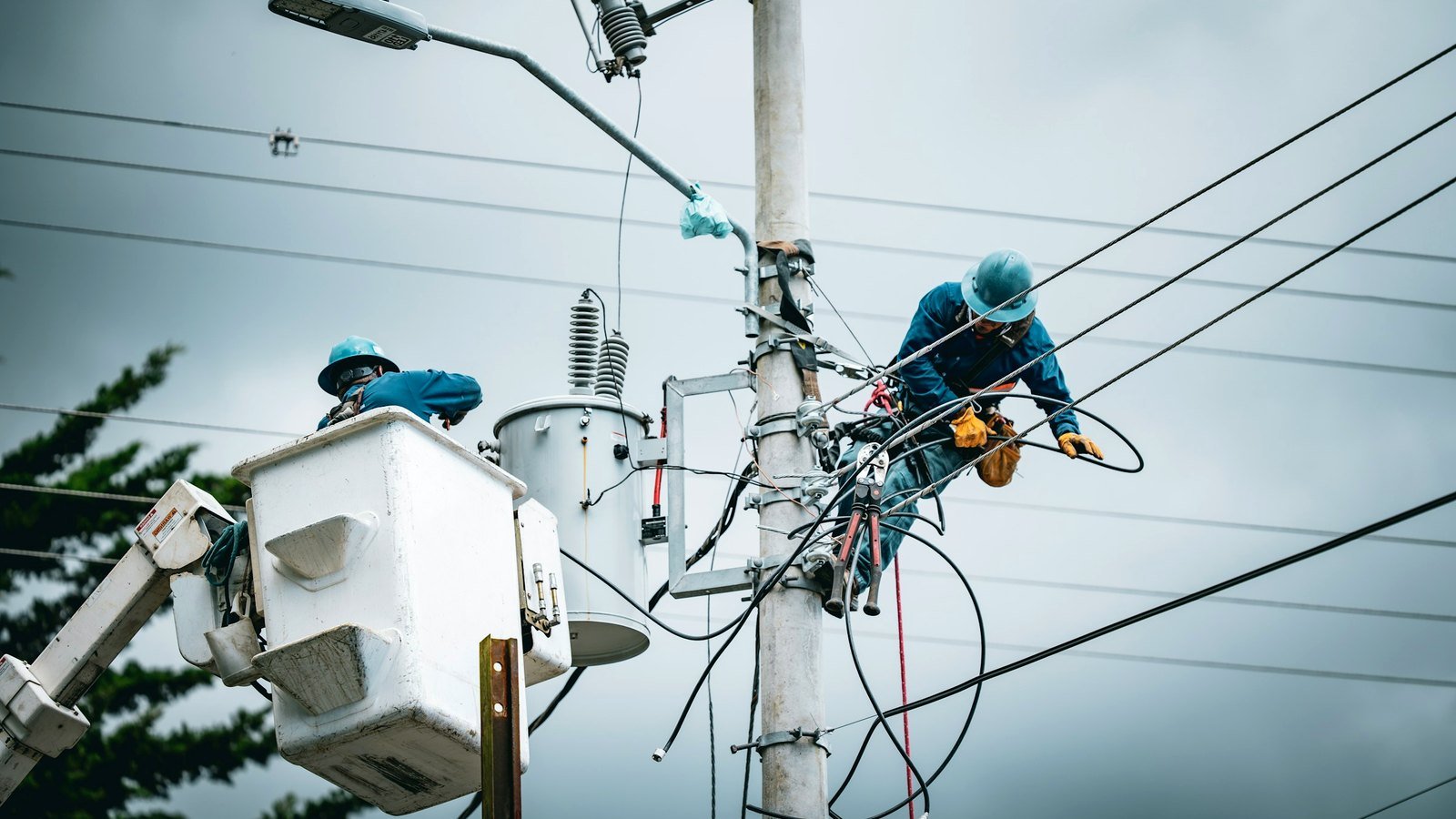
Hi vis FR shirts protect against two different hazards at once: being struck because you were not seen, and being burned by flash fire or electric arc. That means they are tested to two kinds of standard — a visibility standard such as ANSI/ISEA 107-2020 or EN ISO 20471, and a flame-resistance standard such as NFPA 2112, ASTM F1506 or EN ISO 11612. A shirt that meets only one of them is not a hi vis FR shirt. When buying, match the FR standard to the hazard, then confirm the visibility class on the same finished garment.
Which FR Standard Matches Which Hazard
| Hazard | Common standard | Typical users |
|---|---|---|
| Electric arc flash | ASTM F1506, NFPA 70E arc rating (US); IEC 61482-2 (international) | Electrical utilities, linemen, substation crews |
| Flash fire | NFPA 2112 (US) | Oil and gas, petrochemical, refineries |
| Heat and flame | EN ISO 11612 (Europe) | Industrial plants, foundries |
| Welding | EN ISO 11611 (Europe) | Welders and fabricators |
| Static in explosive atmospheres | EN 1149-5 | Gas, chemical and fuel handling |
For arc hazards, the shirt carries an arc rating (ATPV or EBT, in cal/cm²). The employer’s hazard assessment sets the minimum rating needed.
How Visibility and FR Requirements Interact
- Fabric: the fabric must reach fluorescent colour limits and meet FR performance. Modacrylic blends are widely used because they can do both.
- Tape: retroreflective tape must be FR. Standard tape can melt and ignite.
- Class: a long-sleeve FR shirt can reach ANSI Class 2 or Class 3, depending on tape layout and size range. Short-sleeve FR shirts are usually Class 2.
- Labels: the label should show both the visibility class and the FR standard(s) and rating.
Short Sleeve vs Long Sleeve
Most FR programmes require long sleeves, because exposed skin on the forearm is vulnerable in an arc or flash fire. Long sleeves also help reach visibility Class 3. Short-sleeve hi vis FR shirts exist, but check your site’s FR policy before choosing them.
Fabric Choices
| Fabric | Pros | Cons |
|---|---|---|
| Inherent modacrylic blends | Permanent FR; good fluorescent colour; soft | Higher cost |
| Treated FR cotton or cotton/nylon | Comfortable, lower cost | FR depends on correct laundering; fluorescent colour harder |
| Aramid blends | High heat resistance, light | Expensive; limited fluorescent shades |
From Our Factory Floor
We have made hi vis workwear since 2004, and FR shirts need more upfront agreement than any other style. Our checklist before sampling:
- Confirm the hazard and the exact FR standard and minimum arc rating.
- Choose fabric and tape with current certificates, and keep those certificates with the order.
- Use FR thread, FR labels and non-melting buttons or snaps.
- Check fluorescent colour on each fabric lot, because FR fabrics vary more between lots.
- Apply logos only with FR materials.
Care
Follow the care label exactly. Avoid chlorine bleach, fabric softener and starch, which can affect FR performance or coat the fabric. Retire shirts that are torn, heavily soiled with flammable contaminants, or faded below visibility requirements.
FAQ
Is a hi vis FR shirt the same as an arc-rated shirt?
An arc-rated shirt has been tested for arc flash and has a rating in cal/cm². “FR” is a broader term. For electrical work, ask for the arc rating.
Can I add an FR hi vis vest over a regular FR shirt instead?
Yes, an FR hi vis vest works over FR shirts. A hi vis FR shirt removes the extra layer.
Do you make button-up hi vis FR shirts?
Yes, woven button-up and knit styles are both possible. See our reflective work shirt.
Request a Quote
Send us the hazard, FR standard and arc rating, visibility class, sleeve length, colour, sizes and logo. We will propose certified materials and confirm available test reports. Contact our team.
This guide is general information from a hi vis clothing manufacturer. Always confirm the standard, class and site rules that apply to your work; the published standards are the final reference.