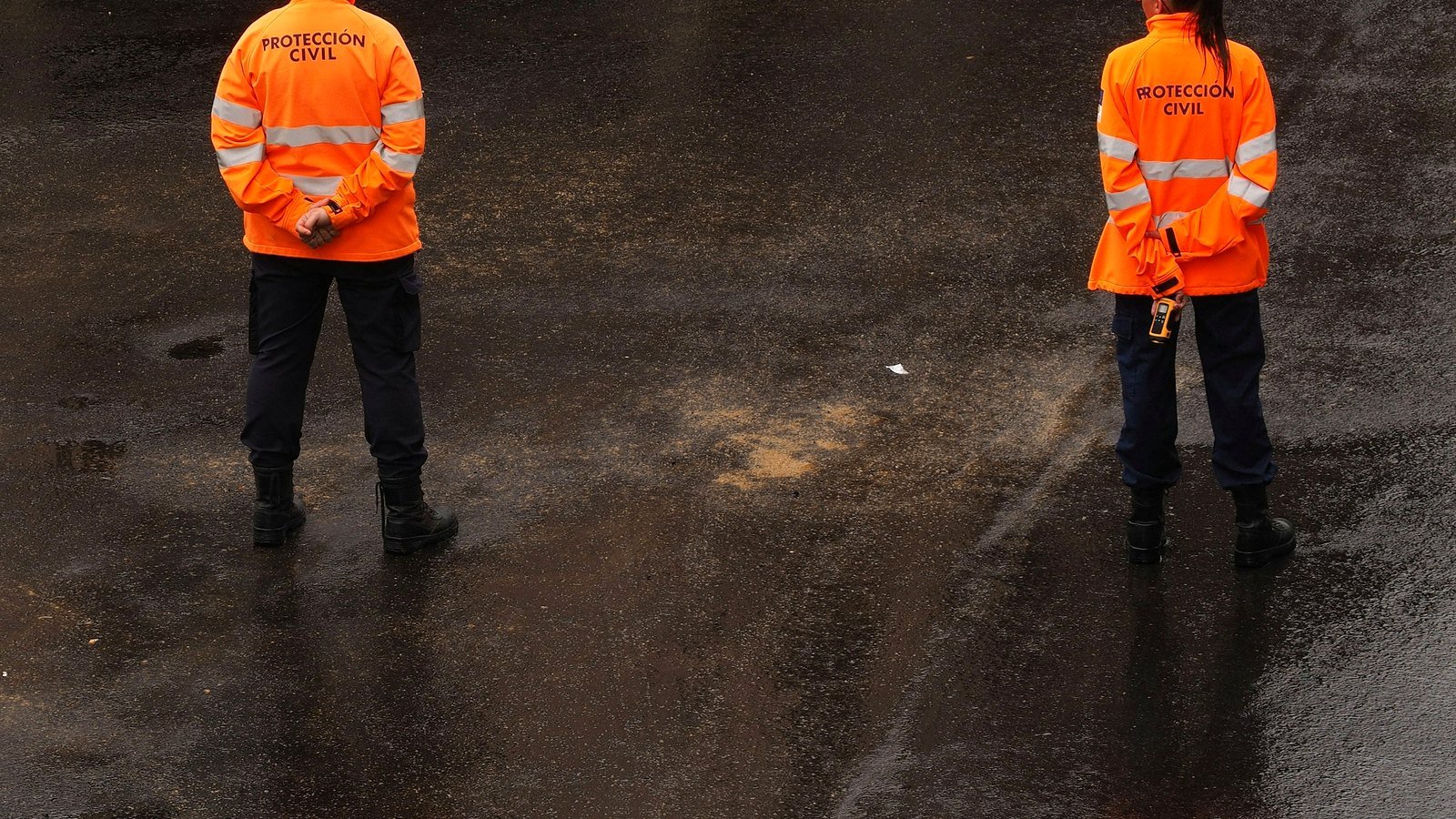

Hi vis shirts come in five main types: short-sleeve T-shirts, long-sleeve shirts, polo shirts, woven button-up work shirts and flame-resistant (FR) shirts. To choose, start with the visibility class your work requires, then the climate, then the job. Short-sleeve T-shirts and polos usually reach Class 2; long-sleeve shirts can reach Class 3 on their own; woven work shirts suit tougher trades; and FR shirts are needed wherever flash fire or arc hazards exist. A shirt counts as hi vis safety apparel only if it is certified to a standard such as ANSI/ISEA 107-2020 or EN ISO 20471 — bright colour alone is not enough.
The Five Types of Hi Vis Shirts
| Type | Typical class | Strengths | Best for |
|---|---|---|---|
| Short-sleeve T-shirt | ANSI Class 2; EN Class 1–2 | Cool, cheap, easy to print | Summer construction, warehouses, logistics |
| Long-sleeve shirt | ANSI Class 3 possible; EN Class 2 | Sleeve coverage, sun protection | Road crews, flaggers, landscaping |
| Polo shirt | ANSI Class 2; EN Class 1–2 | Professional look, embroidery | Supervisors, inspectors, transport staff |
| Woven work shirt | Class 2–3 depending on sleeves | Durable, pockets, uniform look | Rail, utilities, engineering, maintenance |
| FR shirt | Class 2–3 plus FR rating | Flame and arc protection | Electrical utilities, oil and gas |
Step 1: Match the Visibility Class
- Class 1 (ANSI Type O): off-road areas without traffic exposure, such as warehouses and car parks.
- Class 2: most construction, logistics yards and work near vehicles in daylight.
- Class 3: high-speed traffic, night work and poor visibility. Needs sleeves, or a Class 2 top worn with ANSI Class E trousers.
Under ANSI/ISEA 107-2020, a Class 2 garment needs at least 775 sq in of fluorescent background and 201 sq in of reflective material in its smallest size; Class 3 needs 1,240 sq in and 310 sq in. Under EN ISO 20471, Class 2 needs 0.50 m² background and 0.13 m² reflective material. For more detail, see our knowledge base.
Step 2: Choose Fabric for the Climate
| Fabric | Feel | Use |
|---|---|---|
| Polyester birdseye knit | Light, wicking | Hot weather T-shirts and long sleeves |
| Polyester pique | Textured, smart | Polo shirts |
| Polyester interlock / jersey | Smooth, printable | T-shirts with large logos |
| Polycotton twill | Durable, structured | Woven work shirts |
| Certified FR fabrics | Heavier | FR shirts |
Polyester holds fluorescent colour best. High-cotton fabrics are comfortable but rarely meet fluorescent colour limits.
Step 3: Choose the Reflective Tape
- Sewn tape: most durable; good for industrial laundering.
- Continuous heat-transfer tape: thin and clean-looking.
- Segmented heat-transfer tape: flexible and breathable; best for hot-weather knits.
Step 4: Plan Logos and Colours
- Keep logos off the reflective tape and check that large prints do not reduce the fluorescent area below the class.
- Only fluorescent yellow-green, orange-red and red backgrounds are compliant. Pink, blue or black shirts are not certified hi vis.
- Two-tone designs (navy collar, dark side panels) look smart but reduce fluorescent area, especially in small sizes.
From Our Factory Floor
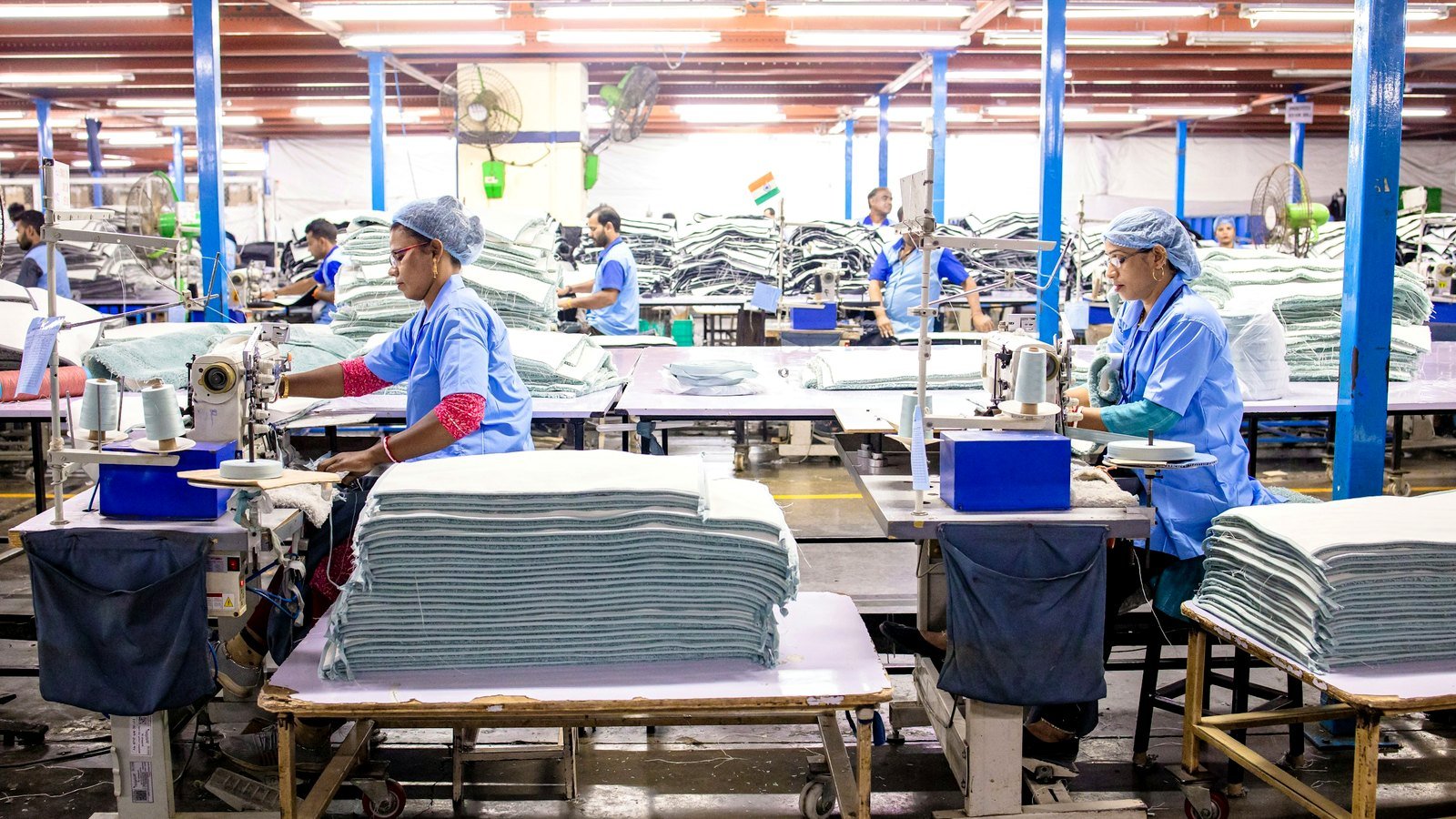
We have manufactured hi vis shirts since 2004 for contractors, distributors and safety brands. The issues we check on every shirt programme:
- Smallest size first: compliance is assessed on the smallest size, so we check XS/S against the class before anything else.
- Fading: sun, sweat and washing fade fluorescent dyes. We choose fabrics with good colour fastness and advise when to replace shirts.
- Tape adhesion: heat-transfer tape is tested on finished garments after washing, not just on swatches.
- Collar and neck shape: ribbed or knitted collars that hold shape keep shirts looking professional.
- Size breakdown: we size orders from the real crew list; work crews often need more large sizes than standard curves.
FAQ
Can a hi vis shirt replace a safety vest?
Yes, if the shirt is certified to the class your site requires. Many workers prefer a compliant shirt to a shirt plus vest.
Are all bright yellow shirts hi vis?
No. Only shirts tested and labelled to a standard and class count as certified high-visibility apparel.
How often should hi vis shirts be replaced?
Replace them when the colour fades, the tape cracks or peels, or the shirt reaches the maximum washes on the label.
Request a Quote
Send us the shirt type, fabric, class, colours, quantities by size and logo artwork. Browse our hi vis shirts: reflective T-shirt, long sleeve hi vis shirt, safety polo shirt, reflective work shirt and moisture wicking safety shirt — or contact our team.
This guide is general information from a hi vis clothing manufacturer. Always confirm the standard, class and site rules that apply to your work; the published standards are the final reference.