Buying wholesale hi vis workwear from a manufacturer works best when you send a clear specification rather than asking for a price on “safety vests”. Price depends on the fabric, tape grade, standard and class, size range, logo method, packaging, quantity and destination. A good sourcing process is: send your requirements, receive a quotation that spells out the build, approve a sample, agree inspection and shipping terms, then go to bulk production. This guide explains what drives price, what to send, and how to protect quality.
What Drives the Price
| Factor | Why it matters |
|---|---|
| Fabric | Weight, type (mesh, knit, oxford, softshell, FR) and certification status |
| Reflective tape | Glass bead vs microprismatic; certified vs economy; width and length used |
| Standard and class | Certified builds need tested materials and enough area |
| Construction | Pockets, zips, linings, seam taping, reinforcement |
| Size range | Large sizes use more material |
| Logo | Method, number of colours, positions |
| Packaging | Polybags, hangtags, barcodes, carton marks |
| Quantity | Larger orders spread setup costs |
| Destination and terms | Shipping method, Incoterms, documents |
What to Send for a Quotation
- Garment style(s), with photos or a sample if you have one
- Quantity per style and size breakdown
- Target market and standard/class (e.g. ANSI/ISEA 107-2020 Type R Class 2, EN ISO 20471 Class 2, AS/NZS 4602.1 D/N)
- Colour(s) and fabric preferences
- Logo artwork, method and positions
- Labels and packaging requirements
- Delivery destination and target date
Sampling and Approval
- Pre-production sample: made in the specified fabric, tape and logo. Check fit, colour, tape position and labels.
- Revisions: agree changes in writing and update the specification.
- Approved sample: becomes the reference for bulk production and inspection.
Quality and Inspection
- Ask which test reports apply to the style, fabric and tape you are buying.
- Agree inspection points: in-line checks during production and a final inspection before packing.
- Define acceptance criteria — measurements, tape position, stitching, logo quality, colour.
- Third-party inspection can be arranged if your company requires it.
MOQ and Lead Time
Minimum order quantity depends on whether you buy an existing style with a logo, or a new style with custom fabric, colour or tape. Lead time depends on fabric availability, order size, logo method and season. Ask for both on your specific build — a single published figure rarely applies to every order.
From Our Factory Floor
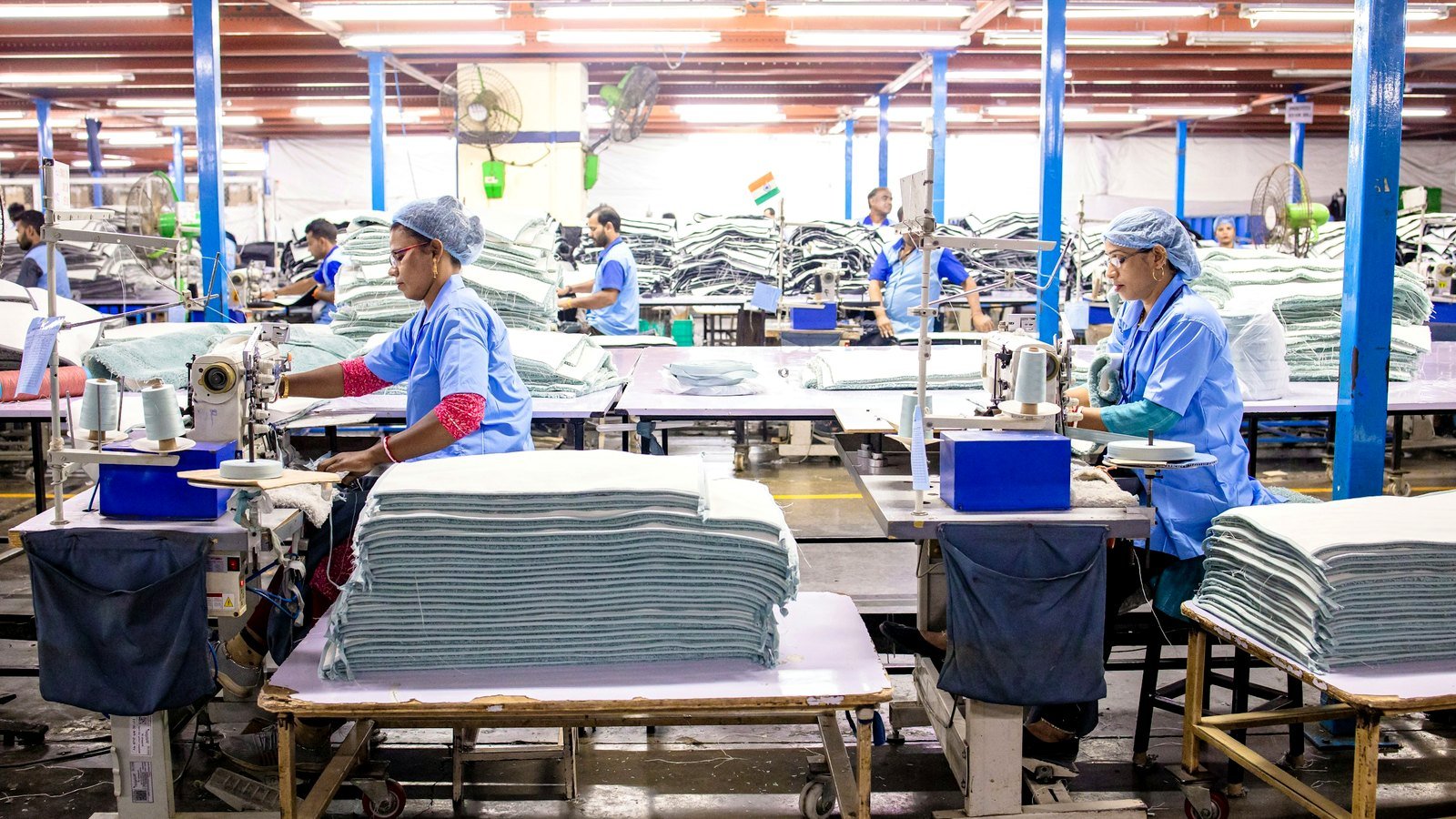
We have manufactured and exported hi vis workwear since 2004 for distributors, contractors and safety brands. The orders that run smoothest have three things in common:
- A written specification covering fabric, tape, class, sizes, logo and packing.
- An approved physical sample kept by both sides.
- Realistic timing that allows for sampling and inspection before the shipping date.
We also recommend splitting large seasonal programmes into deliveries, so summer and winter garments arrive when crews need them.
FAQ
Can I order mixed styles in one shipment?
Yes. Many buyers combine vests, shirts and jackets in one order with separate size breakdowns.
Do you offer private label?
Yes — your labels, hangtags, packaging and carton marks.
Can you match a garment I already buy?
Send a sample or detailed photos with measurements, and we will quote a matching or improved version.
Request a Quote
Send us the information above and we will reply with a quotation, sample plan and timeline. Browse our ranges — vests, jackets, shirts, coveralls — or contact our team.
This guide is general information from a hi vis clothing manufacturer. Always confirm the standard, class and site rules that apply to your work; the published standards are the final reference.