To clean high visibility clothing without ruining it, wash it inside out at the temperature on the care label, with a mild detergent and no bleach or fabric softener, then air dry or tumble dry on low. Heat, harsh chemicals and abrasion are what fade fluorescent fabric and dull or peel reflective tape. Clean regularly — dirt itself hides the fluorescent colour — and replace garments when the colour has faded, the tape is cracked or peeling, or the garment has reached the maximum wash cycles on its label.
Step-by-Step Washing
- Check the label for maximum temperature and number of washes.
- Empty pockets and close zips and hook-and-loop fasteners to avoid snagging the tape.
- Turn the garment inside out to protect the tape and fluorescent surface.
- Pre-treat stains with a mild stain remover; do not scrub the tape hard.
- Wash on a normal or gentle cycle at the label temperature with mild detergent.
- Skip fabric softener and bleach — softener coats tape and reduces its brightness; bleach damages fluorescent dyes.
- Dry by line drying out of direct strong sun, or tumble dry on low if the label allows.
- Do not iron the tape or dry clean unless the label says so.
Common Stains and What to Do
| Stain | Approach |
|---|---|
| Mud and dust | Let dry, brush off, then wash |
| Grease and oil | Pre-treat with a degreasing detergent; avoid solvents on tape |
| Concrete and paint | Remove while wet if possible; dried residue often cannot be removed without damage |
| Sweat and salt marks | Regular washing; sweat accelerates fading |
Special Garments
- Waterproof jackets: no softener; re-proof the outer with a DWR product when water stops beading.
- FR garments: follow the FR care instructions exactly; avoid bleach, starch and softener.
- Heated jackets: remove the battery and stow the connector before washing.
- Industrial laundering: confirm the garment and tape are rated for the process; high temperatures and harsh chemicals shorten life.
When to Replace Hi Vis Clothing
- The fluorescent colour looks faded or greyish compared with a new garment
- Reflective tape is cracked, peeling, missing or dull under a torch
- The garment is torn, permanently stained or contaminated
- It has reached the maximum wash cycles stated on the label
A simple torch test at night shows tape condition: shine a light from your eye level and compare the tape with a new garment.
From Our Factory Floor
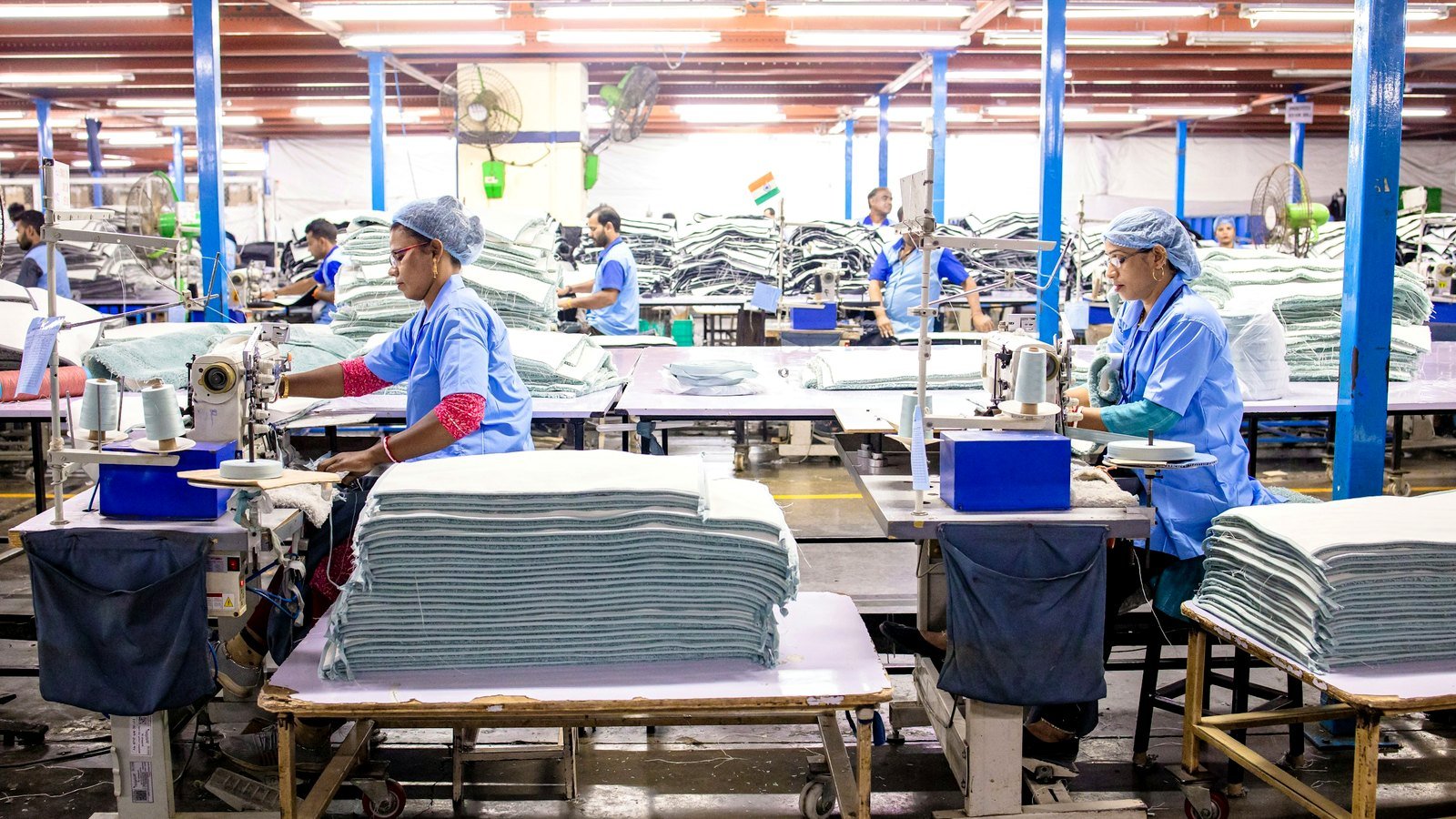
Since 2004 we have seen many returned garments that were damaged by laundering rather than wear. To help buyers:
- We write care labels that match the tested wash method and cycles.
- For laundry-rental programmes we recommend tape and fabric rated for industrial processes.
- We advise issuing two garments per worker so each one is washed less aggressively.
FAQ
Can hi vis clothing go in the dryer?
Only on low heat if the label allows. High heat damages tape adhesive and can glaze fabric.
Does washing make hi vis less visible?
Correct washing keeps it visible; dirt reduces visibility. Harsh washing shortens its life.
How long does hi vis clothing last?
It depends on use. A rough guide often quoted for daily wear is around six months; replace based on condition.
Request a Quote
If your garments are wearing out too quickly, tell us how they are washed and used, and we will recommend more durable fabrics and tape. Contact our team.
This guide is general information from a hi vis clothing manufacturer. Always confirm the standard, class and site rules that apply to your work; the published standards are the final reference.