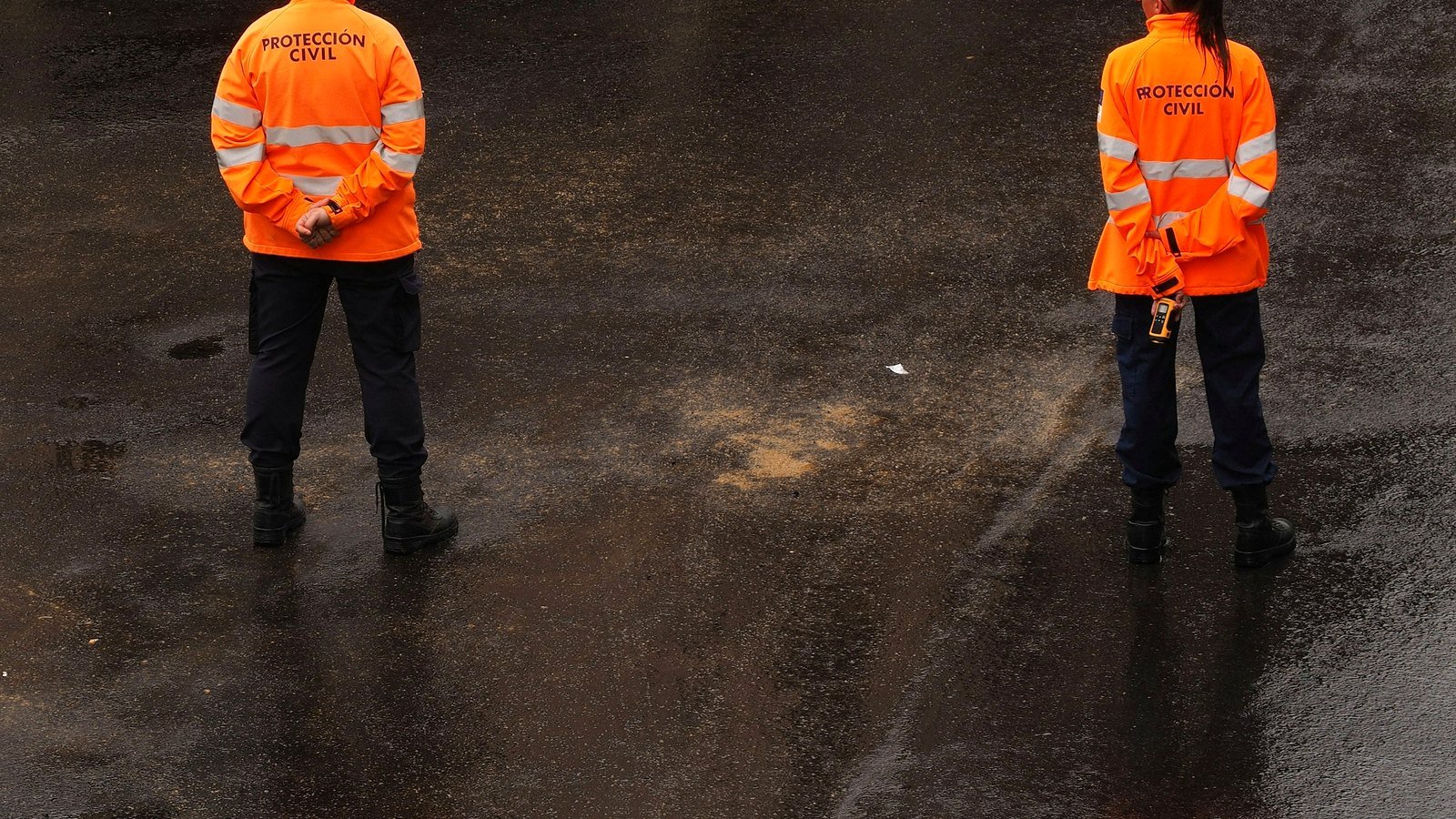

Hi vis T-shirts are enough when your site requires Class 2 or lower, the work is in warm weather, and workers do not need pockets or weather protection. A compliant short-sleeve hi vis T-shirt can meet ANSI/ISEA 107-2020 Class 2 or EN ISO 20471 Class 1 or 2, depending on size and tape layout. It is not enough on its own where Class 3 is required, because short sleeves rarely provide enough coverage — in that case use a long-sleeve shirt, add hi vis trousers, or wear a jacket.
When a Hi Vis T-Shirt Is the Right Choice
| Situation | Hi vis T-shirt enough? |
|---|---|
| Warehouse or yard, Class 1–2 required | Yes |
| Summer construction, Class 2 required | Yes, if certified |
| Night roadwork, Class 3 required | No — add sleeves or Class E trousers |
| Rain or cold | No — needs an outer layer that is also hi vis |
| Workers carry radios and tools | Often no — a vest with pockets may be better |
| Events and volunteers | Yes; non-certified shirts may be fine |
T-Shirt vs Vest
- Comfort: many workers find a single T-shirt cooler than a T-shirt plus vest.
- Snag risk: a T-shirt has no loose panels or open sides to catch.
- Pockets: vests win; T-shirts have one chest pocket at most.
- Issuing: vests fit many sizes; T-shirts need proper sizing.
- Branding: T-shirts give a larger, smoother print area.
What Makes a Good Hi Vis T-Shirt
- Fabric: polyester birdseye or jersey knit, around 120–160 g/m², moisture wicking.
- Tape: sewn tape for durability, or segmented heat-transfer tape for comfort and airflow.
- Colour fastness: fluorescent dyes fade with sun and sweat; better fabrics keep compliance longer.
- Fit: long enough not to ride up when reaching; generous enough to layer over a base layer.
- Label: standard, class, size range and wash instructions.
Certified vs Non-Certified T-Shirts
Many bright T-shirts sold online look like hi vis but are not tested. They may be fine for events or as general awareness wear, but they are not acceptable where a class is required. Check for the standard and class on the label, and ask your supplier for the test report covering the style.
From Our Factory Floor
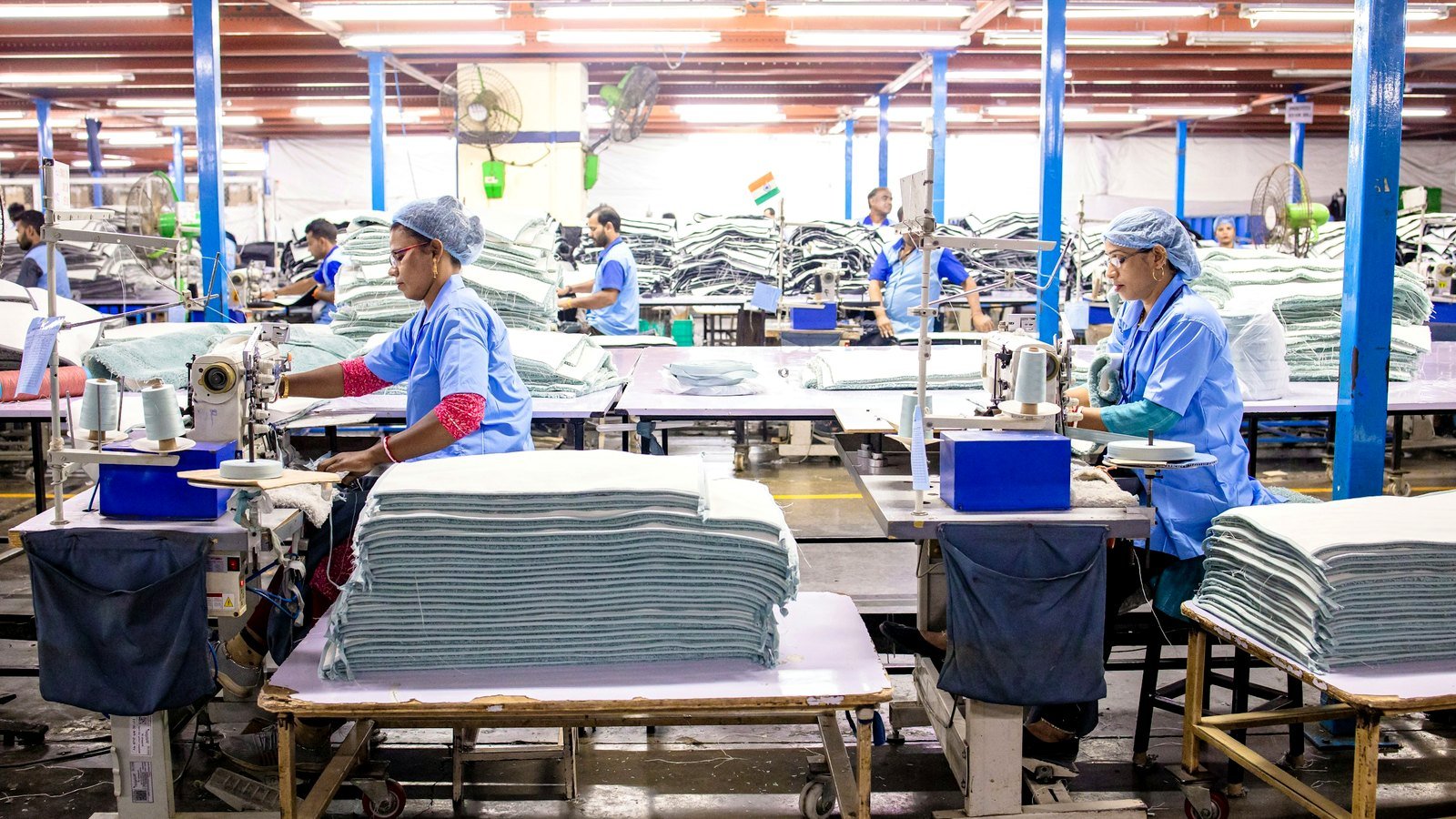
We have made hi vis T-shirts since 2004, often in very large runs for contractors. Practical points we check:
- Small sizes and class: an XS or S T-shirt may fall below Class 2 area; we check the smallest size in the range first.
- Logo size: large back prints reduce fluorescent area; we keep prints between tape bands.
- Neck shape: crew necks that stretch out after a few washes make the shirt look worn fast; a ribbed collar holds shape.
- Packing by crew: we pack size-assorted cartons per site so shirts can be issued quickly.
FAQ
Are hi vis T-shirts ANSI compliant?
Certified ones can be ANSI Class 2. Short-sleeve T-shirts are usually not Class 3.
Can I wear a hi vis T-shirt under a vest?
Yes, but if the T-shirt is already compliant for your class, the vest is unnecessary.
Do hi vis T-shirts come with pockets?
Some have a chest pocket. For more storage, consider a vest.
Request a Quote
Send us the fabric, tape type, class, colour, sizes and logo. See our reflective T-shirt and the guide to hi vis moisture wicking shirts, or contact our team.
This guide is general information from a hi vis clothing manufacturer. Always confirm the standard, class and site rules that apply to your work; the published standards are the final reference.