
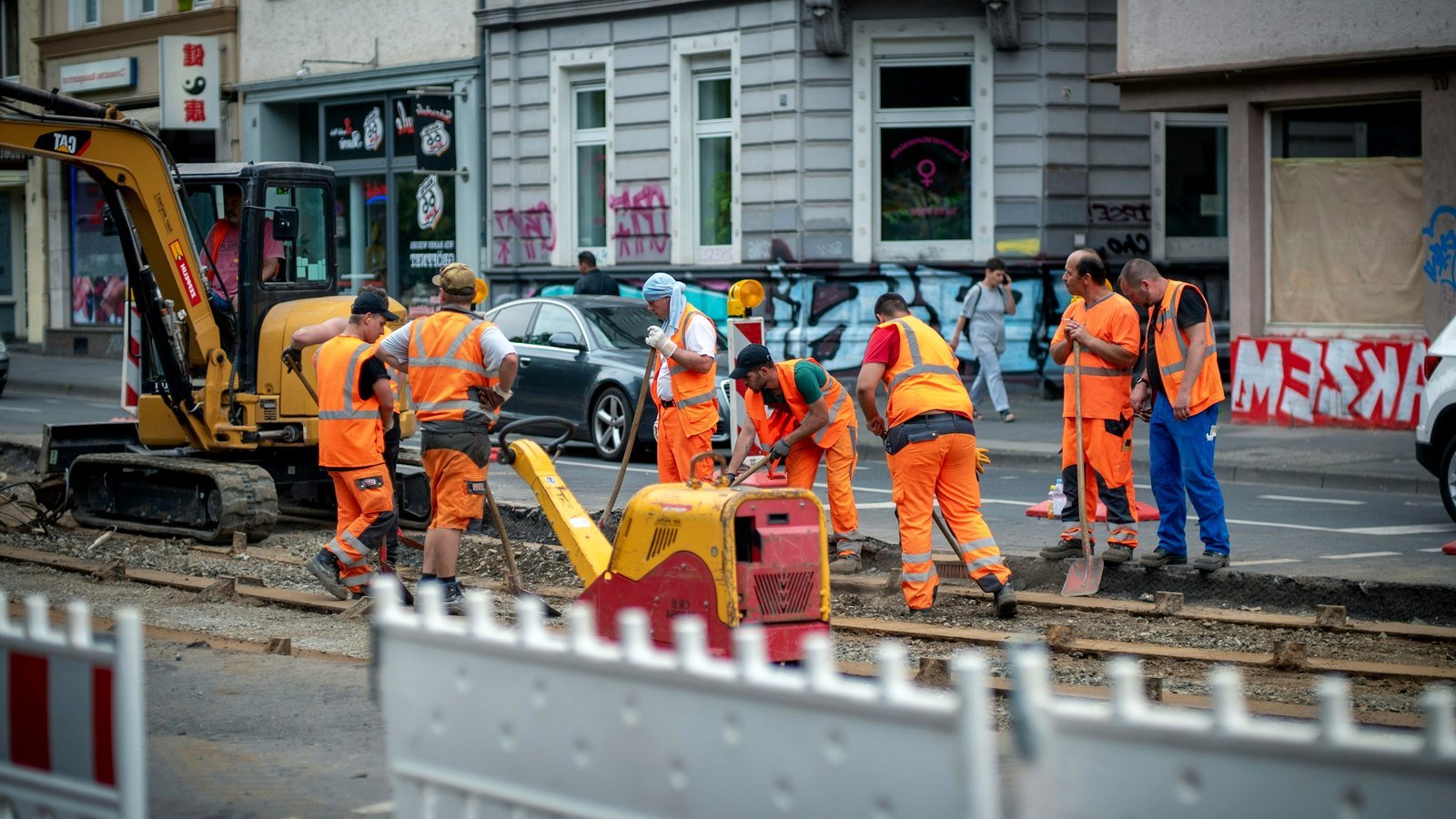
Hi vis construction clothing should be planned as a kit, not bought one garment at a time. A typical site crew needs a summer layer (vest or hi vis shirt), a rain layer, a winter layer and, for some roles, hi vis trousers to reach Class 3. The right kit depends on three things: the visibility class your site and contracts require, the climate through the year, and what each role actually does. This guide gives a practical kit list by season and role, plus the ordering mistakes we see most often.
Start with the Visibility Requirement
Before choosing garments, confirm the class your site needs:
- Class 2 is the common baseline for building sites and work near plant and vehicles.
- Class 3 is often required for roadwork, high-speed traffic, night work and poor visibility. It needs sleeves or hi vis trousers combined with a top.
In the US these classes come from ANSI/ISEA 107-2020; in Europe from EN ISO 20471. For definitions, see our hi vis knowledge base.
Season-by-Season Kit List
| Season | Core garments | Notes |
|---|---|---|
| Summer | Mesh vest or moisture-wicking hi vis T-shirt; long-sleeve hi vis shirt for sun | Light fabrics; long sleeves help reach Class 3 and protect from UV |
| Spring / autumn | Hi vis hoodie or sweatshirt, softshell jacket, vest over layers | Layering lets workers adjust through the day |
| Rainy season | Waterproof jacket and overtrousers or rain suit | Taped seams; consider breathable fabric for active work |
| Winter | Insulated jacket or 3 in 1 jacket, insulated vest, bib pants | Size outer layers for what goes underneath |
Kit by Role
| Role | Suggested hi vis clothing |
|---|---|
| General labourers | Class 2 vest or T-shirt, hoodie, rain jacket, winter jacket |
| Plant and machine operators | Close-fitting hi vis shirt or vest (no loose parts), jacket |
| Traffic marshals and banksmen | Class 3 jacket or vest plus hi vis trousers; breakaway vest where snagging is a risk |
| Supervisors and engineers | Surveyor vest with pockets, softshell or polo |
| Scaffolders and steel erectors | Close-fitting garments that work with harnesses; check tape is not hidden by straps |
| Visitors | One-size mesh or solid Class 2 vest |
Ordering Mistakes to Avoid
- Same size for summer and winter. Outer layers need to fit over clothing; order winter garments with that in mind.
- Logos over tape. Printing across reflective tape reduces the reflective area and can push a garment out of its class.
- Dark lower panels on small sizes. Two-tone designs hide dirt but reduce fluorescent area; check the smallest size meets the class.
- No replacement plan. Hi vis fades and gets dirty. Budget for replacements during the year, not just one issue.
From Our Factory Floor
Since 2004 we have supplied complete hi vis programmes to contractors and distributors. The programmes that work best share a few traits:
- One logo position and colour scheme across all garments, so crews look consistent.
- Size breakdowns based on the actual crew list, not a standard curve — construction crews skew towards larger sizes.
- Seasonal deliveries: summer garments before summer, winter garments before the first cold month.
- Separate cartons per site or per role, marked clearly, so issuing is fast.
FAQ
Is a hi vis T-shirt enough on a construction site?
If it meets the class your site requires, yes. Many sites accept Class 2 shirts; roadwork often needs Class 3.
Do construction workers need hi vis trousers?
Not always. They are useful when Class 3 is required and workers wear a vest or short-sleeve top.
Yellow or orange for construction?
Both are compliant. Many sites use colour to separate roles; choose the colour with the best contrast against your site background.
Request a Quote
Send us your crew size, roles, required class, climate and logo. We will propose a seasonal kit with quantities and delivery timing. Browse vests, jackets, shirts and rainwear, or contact our team.
This guide is general information from a hi vis clothing manufacturer. Always confirm the standard, class and site rules that apply to your work; the published standards are the final reference.