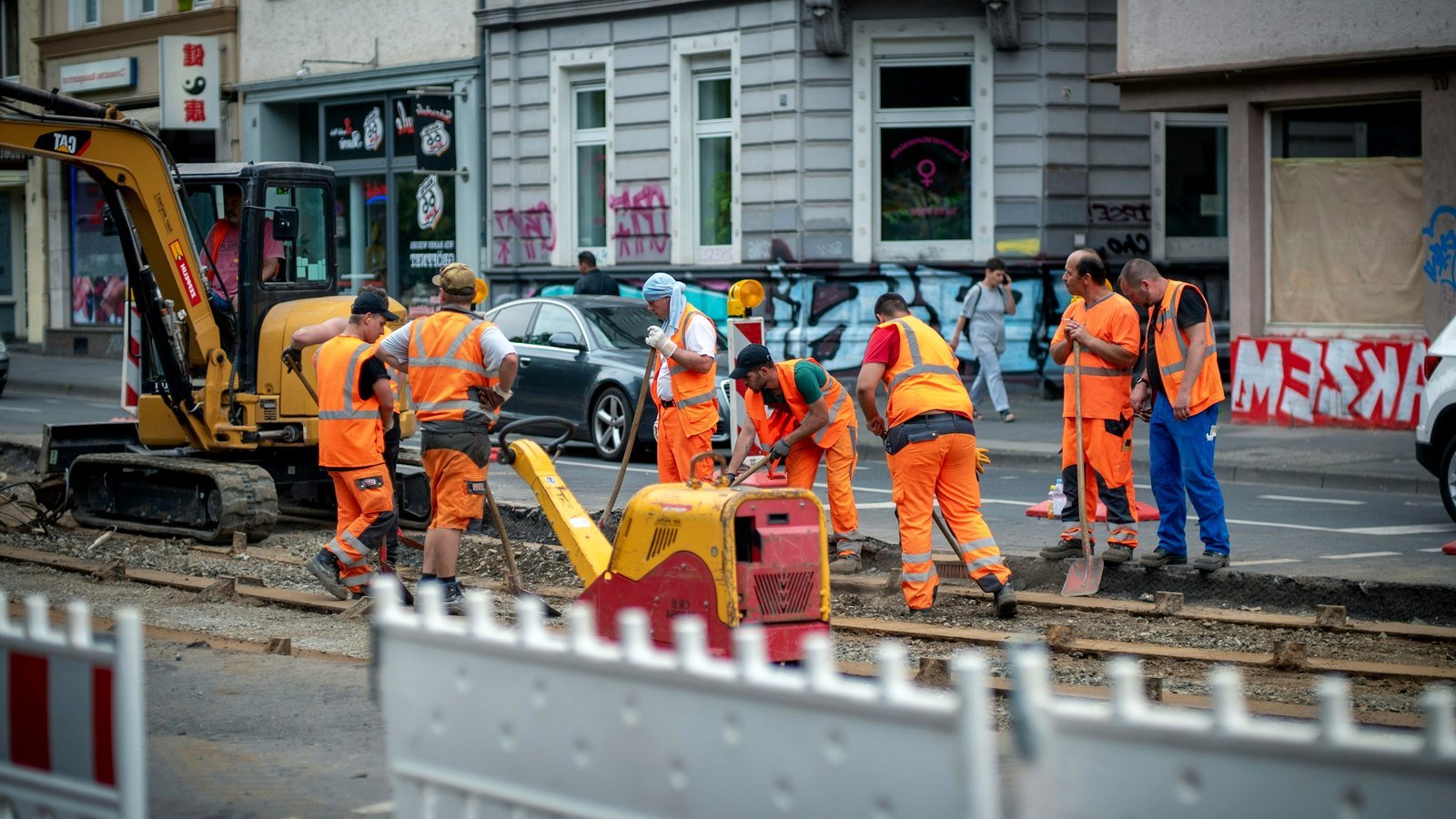

Hi vis coveralls are one-piece work suits with fluorescent fabric and reflective tape on the body, arms and legs. Because they cover the whole body, they can reach the highest visibility class on their own, and there is no gap at the waist to catch on machinery. Choose standard polycotton coveralls for general maintenance and industrial work, FR coveralls where flash fire or arc hazards exist, waterproof coveralls for wet and dirty outdoor work, and insulated coveralls for cold, static jobs. Choose a jacket-and-trousers combination instead when workers need to adjust layers through the day.
Coveralls vs Jacket and Trousers
| Factor | Coveralls | Two-piece outfit |
|---|---|---|
| Visibility | Full coverage in one garment; can reach Class 3 alone | Class 3 when top and trousers are combined correctly |
| Snag risk | No waist gap or loose hem | Jacket hem and waist can catch |
| Dirt protection | Covers everything underneath | Gaps at waist and cuffs |
| Temperature control | All or nothing (unzip the top) | Remove jacket independently |
| Toilet breaks | Less convenient | Easy |
| Sizing | Must fit torso length and legs together | Top and bottom sized separately |
Four Types of Hi Vis Coveralls
| Type | Typical build | Where it fits |
|---|---|---|
| Standard | Polyester/cotton twill, sewn tape, two-way zip | Plant maintenance, rail, ports, mining surface work |
| Flame resistant (FR) | Certified FR fabric, FR tape and thread, brass zip | Oil and gas, petrochemical, electrical utilities, welding |
| Waterproof | PU-coated or membrane fabric, taped seams | Wet outdoor work, washdown areas, drainage |
| Insulated | Padded body and limbs, coated shell | Cold stores, winter roadwork, cold regions |
Standards to Know
- Visibility: ANSI/ISEA 107-2020 (coveralls are commonly built to Class 3) or EN ISO 20471 (Class 3 needs at least 0.80 m² background and 0.20 m² reflective material).
- Flame and arc: NFPA 2112, ASTM F1506 / NFPA 70E arc rating, EN ISO 11612, IEC 61482-2.
- Static: EN 1149-5 for explosive atmospheres.
- Rain and cold: EN 343, EN 342 or EN 14058.
A coverall that combines several protections must be tested for each one on the finished garment.
Features Worth Specifying
- Two-way front zip with storm flap — opens from the bottom for comfort when sitting or driving.
- Leg zips so workers can pull coveralls on over boots.
- Elasticated back waist for a better fit across sizes.
- Knee pad pockets for work at ground level.
- Bi-swing or action back for freedom when reaching.
- Pocket layout — chest, hip, leg and rule pockets, all flapped if the environment is dirty.
From Our Factory Floor
Coveralls are the hardest hi vis garment to size well. In more than 20 years of manufacturing we have found:
- Torso length decides comfort. A coverall that is right in the chest but short in the torso pulls at the crotch and shoulders every time the wearer bends. We offer regular and tall torso options for this reason.
- Tape on the legs must clear the boots. Leg bands placed too low are hidden by boots; too high and they fold at the knee.
- Two-tone saves cleaning but costs area. Navy lower bodies hide dirt, but on small sizes they can push the coverall below Class 3. We calculate this before the design is fixed.
- Industrial laundering. Many coverall programmes are laundered by rental companies at high temperatures. Tell us the process so we can choose tape and fabric that survive it.
FAQ
Are hi vis coveralls Class 3?
They can be, and most are designed for it. Check the label for the standard and class of the specific style and size range.
Can coveralls be flame resistant and waterproof?
Yes, with FR waterproof fabrics and FR seam tape, but these are specialised and more expensive builds.
Should I choose orange or yellow coveralls?
Both are recognised fluorescent colours. Rail operators in many countries specify orange; choose the colour that contrasts most with your working environment.
Request a Quote
Send us the coverall type, protections required, visibility class, quantity, colour, sizes (including tall), and laundry method. Compare our industrial safety coveralls, FR coveralls and reflective coveralls, or contact our team.
This guide is general information from a hi vis clothing manufacturer. Always confirm the standard, class and site rules that apply to your work; the published standards are the final reference.