
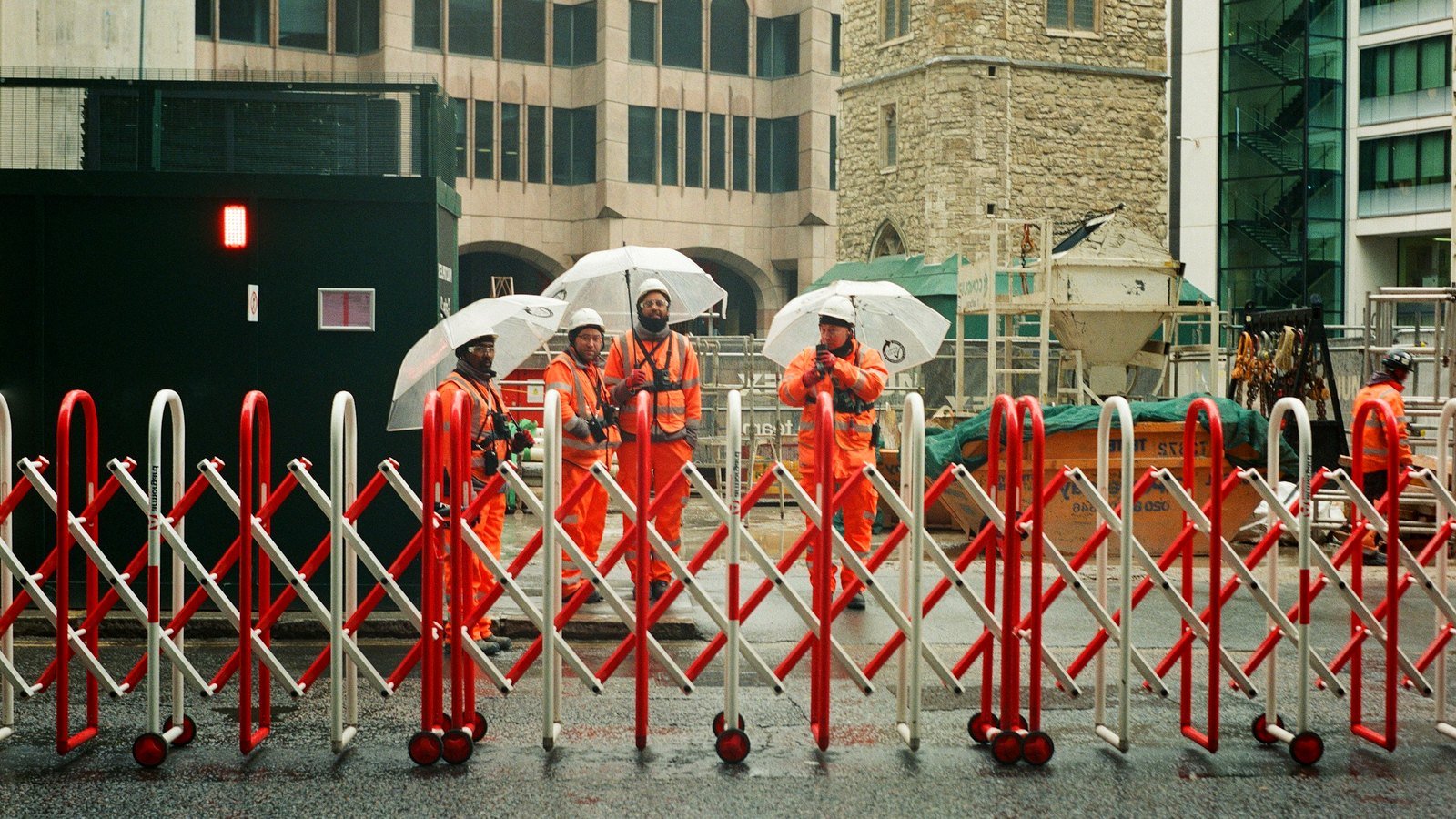
Waterproof Hi Vis Vests vs Rain Jackets: The Core Difference
A waterproof high vis vest is a sleeveless, high-visibility garment with a waterproof membrane or coated fabric. It provides wet-weather protection around the torso, but leaves the arms free. For many outdoor crews that already wear long-sleeve base layers, fleeces or work shirts, a waterproof vest is the lighter, more flexible choice. Rain jackets give full upper-body coverage, but they also add bulk, trap heat and can restrict arm movement. The right choice depends on the job, the climate and the safety standard you need.
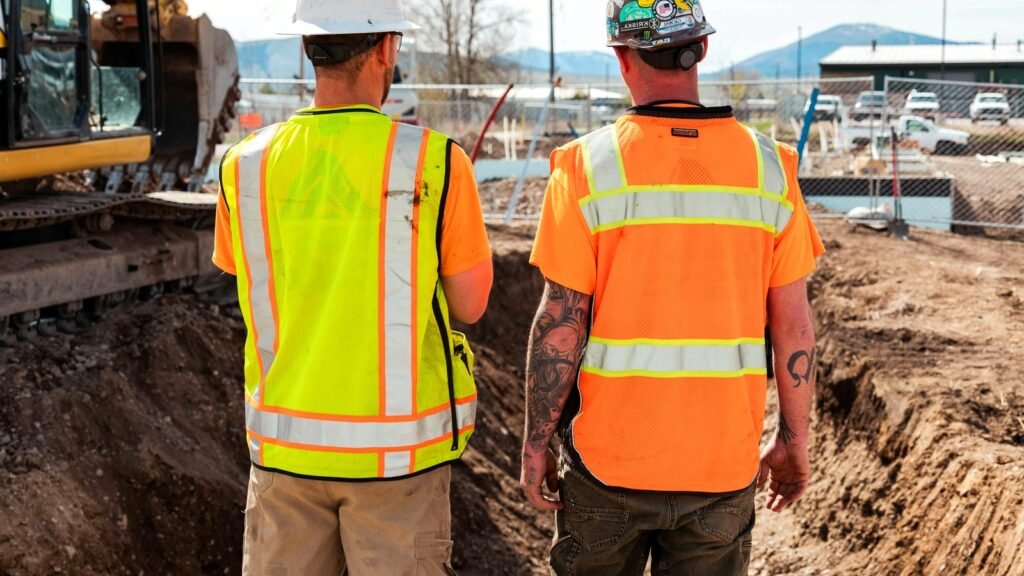
What Makes a Hi Vis Vest Truly Waterproof?
Do not assume a bright yellow or orange vest is waterproof. Many standard hi vis vests are made from polyester mesh or solid knit fabric and are only water-resistant at best. A waterproof vest must be constructed with a waterproof barrier and correctly sealed seams. Buyers should check the test standard rather than a general “waterproof” claim.
The most common waterproof rating for workwear is EN 343, the European standard for protective clothing against rain. EN 343 has two numbers: one for waterproofness (water penetration resistance) and one for breathability (water vapour resistance). A typical minimum for heavy rain is adequate resistance to water penetration and sufficient breathability for the work involved, but class values depend on the fabric. Other buyers may see hydrostatic head figures, such as a minimum value specified by the buyer or higher. Always ask the supplier for the test report, not just the marketing phrase.
In addition to the fabric, check these construction details:
- Taped or welded seams, not just stitched seams.
- Waterproof zippers or storm flaps over front closures.
- No unsealed pocket openings that let water inside.
- Reflective tape that remains flexible and attached when wet.
Visibility Standards: What Buyers Should Check
A waterproof hi vis vest must meet the same visibility standards as any other high-visibility garment. The three standards most buyers ask for are:
- ANSI/ISEA 107 (US): Defines Class 1, Class 2 and Class 3 based on background material area, reflective tape area and tape placement. For workers near traffic or heavy equipment, Class 2 is common; Class 3 is for high-speed roadways or low visibility conditions. A sleeveless vest can be Class 2, but Class 3 normally requires sleeves or additional reflective coverage on arms.
- EN ISO 20471 (Europe): Similar class system, but measured in square metres of background and reflective material. A sleeveless hi vis vest usually qualifies for Class 2, while Class 3 requires sleeve coverage.
- AS/NZS 4602.1 (Australia/New Zealand): Uses Day, Night and Day/Night classes. A waterproof vest designed for daytime and night use should have both fluorescent background and retroreflective tape.
When sourcing, do not rely on “meets ANSI” without a certificate. Ask for a test report from an accredited lab and check that the exact garment model, size range and colour are listed.
When a Waterproof Vest Is Better Than a Rain Jacket
Below are the situations where a waterproof high vis vest often wins over a full rain jacket. This is based on how crews actually work, not just on paper.
- High-movement tasks: If workers are handling tools, climbing, flagging or operating machinery, sleeveless arms give better reach. A rain jacket’s sleeves can bind at the shoulders or catch on equipment.
- Layering over existing hi vis gear: Many workers already wear a hi vis long-sleeve shirt, sweatshirt or fleece. A waterproof vest adds wet protection over those layers without adding a second set of sleeves. This keeps the existing Class 2 or Class 3 rating from the shirt/hoodie while adding rain protection.
- Warm rain or humid climates: In warm wet weather, a full rain jacket can overheat workers. A vest protects the core from rain while allowing heat and sweat to escape through the arms and underarms.
- Quick on/off: A vest is easier to put on and take off when moving between indoors and outdoors, or between dry and wet tasks. Rain jackets with sleeves take longer to don and doff, especially over a tool belt or harness.
- Cost and storage: Waterproof vests typically use less fabric than a full jacket, so they cost less to produce and cost less to ship. For a distributor or contractor buying hundreds of units, that difference adds up. Vests also take less space in a vehicle or gang box.
- Visibility over a rain jacket: In some cases, a waterproof hi vis vest can be worn over a non-hi-vis rain jacket. This gives the crew the weather protection of a good rain shell plus the visibility of a vest, without needing a dedicated hi vis rain jacket for every worker.
When a Rain Jacket Still Makes More Sense
A waterproof vest is not the right answer for every wet weather job. Consider a full waterproof hi vis jacket when:
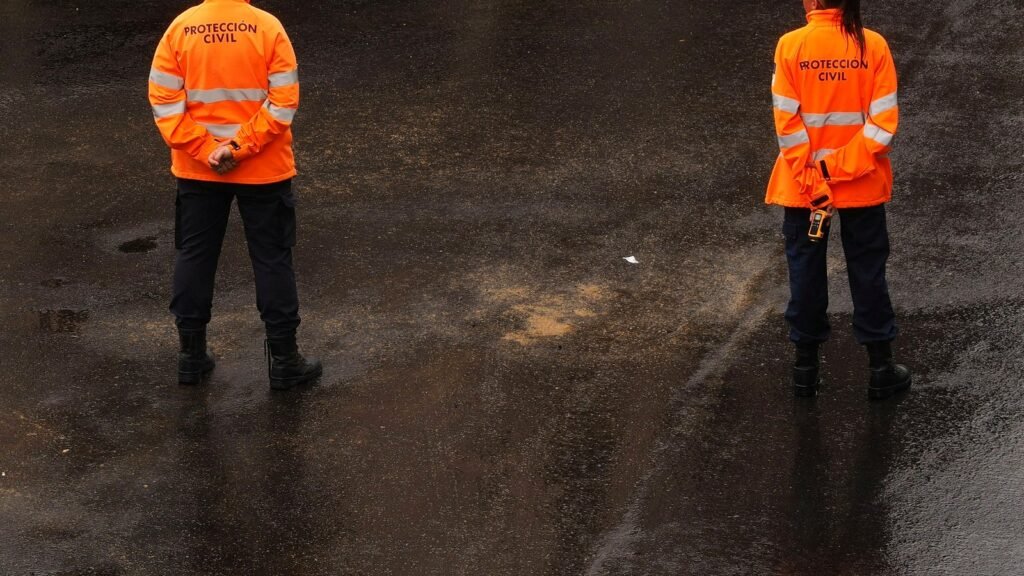
- Arms need protection: Cold rain, sleet or driving wind can chill the arms quickly. If workers are stationary, such as traffic control or plant gate security, full sleeves keep the whole upper body dry and warm.
- Class 3 visibility is required: ANSI/ISEA 107 Class 3 and EN ISO 20471 Class 3 normally require reflective tape on the arms. A sleeveless vest alone cannot meet Class 3 unless worn over a Class 3 base layer or combined with other garments. If the project specification demands Class 3 outerwear, choose a waterproof jacket.
- Continuous heavy rain: For prolonged exposure where workers cannot take shelter, a jacket with taped seams and a hood provides more complete protection. A vest leaves the arms wet, which can lead to discomfort and reduced productivity.
- Cold weather: In winter rain or freezing temperatures, a waterproof insulated jacket or a 3-in-1 jacket with a removable liner will keep workers warmer than a vest over a fleece.
Key Features to Check in a Waterproof Hi Vis Vest
Not all waterproof vests are equal. When comparing supplier quotes, go through this checklist:
- Waterproof rating: Confirm EN 343 class or hydrostatic head value. Ask for the test report and check that the rating applies to the finished garment, not just the fabric roll.
- Seam sealing: Taped or welded seams are essential. Stitched seams leak even if the fabric is waterproof.
- Closure type: A waterproof front zipper or a storm flap with snap or hook-and-loop closure. A plain zipper without a flap will let water through the teeth.
- Reflective tape: Hi Vis Clothing uses 3M Scotchlite reflective material. Check that the tape is sealed or heat-applied so it does not peel when wet. For specific 3M product performance values, ask your account manager, as these vary by tape type; e.g., some tapes meet performance requirements for rain jackets, vests or similar, but we do not publish specific performance values without a test report.
- Breathability: If the vest will be worn in warm rain, look for a breathable membrane or at least a vented back. A fully coated PU vest will keep rain out but trap sweat. EN 343 breathability class selection should reflect the workload: a more breathable fabric is better than a less breathable fabric for active work.
- Pockets and ID panels: If workers need to carry radios, pens or ID cards, choose a vest with waterproof or flap-covered pockets. Some waterproof vests have clear ID holders, but the window must be sealed to prevent water ingress.
- Standards compliance: Confirm the vest meets your target market standard: ANSI/ISEA 107 for the US, EN ISO 20471 for EU, AS/NZS 4602.1 for Australia. Ask for a certificate that lists the specific model and colour.
Comparison Table: Waterproof Hi Vis Vest vs Waterproof Hi Vis Rain Jacket
| Feature | Waterproof Hi Vis Vest | Waterproof Hi Vis Rain Jacket |
| Arm coverage | Sleeveless; arms may get wet | Full sleeves; arms stay dry |
| Mobility | Excellent; no restriction | Can bind at shoulders/elbows |
| Heat retention | Lower; better for warm rain | Higher; better for cold rain |
| Weight & bulk | Light, packs small | Heavier, more storage space |
| Cost per unit | Lower (less fabric) | Higher (more fabric, more features) |
| Class 3 possibility | Usually Class 2 alone | Can achieve Class 3 with tape on arms |
| Best use | High-movement, layering, warm rain, quick don/doff | Cold, continuous rain, stationary work, Class 3 requirement |
Sourcing Waterproof Hi Vis Vests in Bulk
Hi Vis Clothing is a manufacturer of high visibility safety apparel, founded in 2004 with 20+ years of experience serving distributors, wholesalers, contractors and industrial businesses globally. Our product range includes reflective safety vests, hi vis jackets (including waterproof and 3-in-1), rainwear, coveralls, work pants, hoodies, shirts and flame-resistant hi vis clothing. Every garment is inspected during production for durability, comfort and reflective performance. We supply OEM and custom logo options for hi vis vests and rainwear, including waterproof configurations.
When you order waterproof hi vis vests for import or distribution, keep in mind:
- Specify the exact standard and class your market requires: ANSI/ISEA 107, EN ISO 20471, AS/NZS 4602.1. Do not accept a generic “hi vis” certificate.
- Request a pre-production sample and a third-party test report for waterproofness and reflectivity.
- Confirm the shell fabric type, seam sealing method and closure type. A cheap PU-coated vest with taped seams may be fine for light rain, but not for all-day downpours.
- Ask about the reflective material. We use 3M Scotchlite reflective material as a 3M customer. If your contract specifies a particular 3M tape, provide the tape code and we can quote accordingly.
- Think about sizing. Waterproof vests are often worn over layers, so consider sizing up for winter use. Mixed gender crews may need different fits; see our article on women’s high visibility clothing for guidance.
For bulk waterproof hi vis vest enquiries, contact Hi Vis Clothing through the site enquiry form or WhatsApp +86 153 5648 7262. We can help you select a vest that meets your standard, fits your layering system and keeps the crew dry without overpaying for features they don’t need.
FAQ
Can a waterproof hi vis vest meet ANSI Class 2?
Yes. A waterproof hi vis vest with enough fluorescent background material and the required amount of retroreflective tape can meet ANSI/ISEA 107 Class 2. Class 3 usually requires sleeves or additional reflective coverage on the arms, so a vest alone is typically Class 2 unless worn as part of a Class 3 ensemble.
What is the difference between water-resistant and waterproof?
Water-resistant means the fabric sheds light rain for a short time, but it will eventually soak through. Waterproof means the garment has a waterproof barrier and sealed seams that prevent water penetration under specified pressure, usually tested to a standard such as EN 343 or a hydrostatic head value. Always check the test report.
Can I wear a waterproof hi vis vest over a regular rain jacket?
Yes, this is a common approach. The waterproof hi vis vest provides the required hi vis background and reflective tape, while the rain jacket underneath gives full sleeve weather protection. This can be cheaper than buying dedicated hi vis rain jackets for every worker. Ensure the vest fits loosely enough to go over the jacket without compressing the insulation or restricting movement.
How do I know if the waterproof vest will keep the reflective tape attached after washing?
Ask the supplier about the tape application method. Sewn tape can be durable, but the stitching holes must be sealed. Heat-transfer tape can peel if the fabric is not prepared properly. Hi Vis Clothing uses 3M Scotchlite reflective material, and we inspect every garment during production. Request a wash test report if possible.
Do waterproof hi vis vests meet Australian standards?
A waterproof hi vis vest can meet AS/NZS 4602.1 Day/Night if it has the required fluorescent background and retroreflective tape placement. The waterproof feature does not automatically disqualify it. However, the exact model and colour must be tested and certified. Ask your supplier for an AS/NZS 4602.1 certificate for the specific vest you plan to import.